Bathroom Waterproofing Singapore: Cost & Guide (2026)
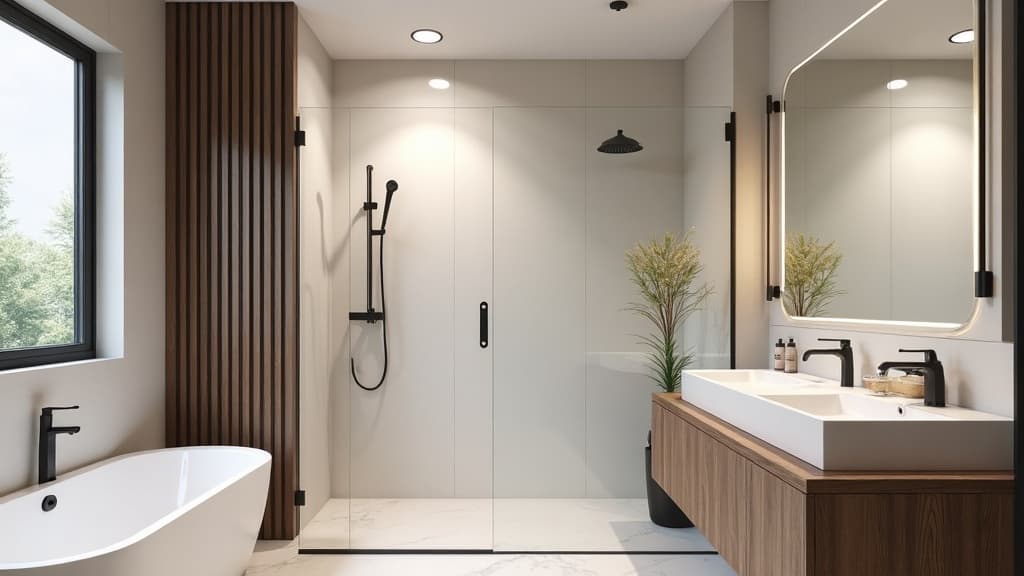
Bathroom Waterproofing in Singapore
Bathroom waterproofing in Singapore is the membrane layer applied beneath your tiles that stops water seeping into the structure and the unit below. It typically costs around S$800–S$2,500 per bathroom as a standalone job, or is bundled into a full toilet renovation (often S$3,000–S$8,000 per bathroom). It is one of the most important — and most invisible — parts of any bathroom, because fixing water damage later costs far more than doing it right the first time.
This guide explains why waterproofing matters, the costs, membrane types, drying time, and whether you can waterproof a bathroom without hacking the tiles.
Why Bathroom Waterproofing Matters
In Singapore's high-rise, high-humidity homes, water that escapes a bathroom doesn't just damage your unit — it can leak into the structure and the home below, leading to:
- Damp patches, peeling paint, and mould
- Damaged ceilings in the unit downstairs
- Costly inter-floor leakage disputes
- Structural and finish repairs that dwarf the original waterproofing cost
A continuous waterproofing membrane under the tiles, turned up the walls to a safe height, is what keeps water where it belongs. This is non-negotiable in any bathroom hack-and-retile.
Bathroom Waterproofing Cost in Singapore (2026)
| Scope | What's Involved | Typical Cost (per bathroom) |
|---|---|---|
| Overlay / no-hack treatment | Sealer or overlay system over existing tiles | S$500–S$1,500 |
| Standalone waterproofing (hack to screed) | Membrane application + flood test | S$800–S$2,500 |
| As part of full toilet renovation | Hack, waterproof, re-tile, fixtures | S$3,000–S$8,000+ |
Figures are typical, approximate SGD ranges for 2026 and vary with bathroom size, membrane system, surface condition, and contractor. Get a written quote that states the membrane type and whether a flood test is included.
For a fuller picture of toilet renovation costs, use the renovation cost calculator and see our Singapore renovation cost guide for 2026.
Types of Bathroom Waterproofing Membrane
There are several membrane systems, each with trade-offs:
- Liquid-applied (cementitious or acrylic) membrane: the most common for HDB and condo bathrooms — painted or trowelled onto the screed in multiple coats, forming a seamless layer.
- Polyurethane (PU) membrane: flexible and durable, good for areas with movement.
- Sheet membranes: pre-formed sheets bonded to the surface, used in some applications.
- Overlay / penetrating sealers: applied over existing tiles without hacking, for lighter cases.
The right system depends on the substrate, the area, and whether you are hacking. A waterproofing contractor should recommend a system suited to your bathroom and follow the manufacturer's specification.
How Long Does Waterproofing Take to Dry?
Most liquid-applied membranes need proper curing — often around 1–3 days depending on the product, coats, and humidity, according to manufacturer instructions. The correct sequence is:
- Prepare and clean the screed.
- Apply the membrane in the specified number of coats.
- Allow full curing time.
- Carry out a flood test to confirm no leaks.
- Only then begin tiling.
Never rush curing or skip the flood test — it is the single best safeguard against future leaks. Build these days into your renovation timeline.
Can You Waterproof a Bathroom Without Removing Tiles?
Sometimes, yes. Overlay waterproofing systems and penetrating sealers can be applied over existing tiles and grout without hacking, which is faster, cheaper, and far less messy. This can be a good option when:
- The existing tiles and grout are in sound condition.
- The leak is minor or you want preventive protection.
- You can't or don't want to hack (e.g. to avoid disturbing a recent renovation).
However, no-hack methods may not match the longevity of a full membrane applied to the screed. For serious or recurring leaks, hacking and re-waterproofing properly is the more reliable fix. Ask a waterproofing contractor to assess your specific bathroom before deciding.
Waterproofing in HDB and BTO Bathrooms
For HDB flats, hacking floors and re-waterproofing must be done by an HDB-registered renovation contractor, and re-waterproofing is required whenever the floor finish is removed, according to HDB guidelines. New BTO bathrooms already come waterproofed by the developer, so if you keep the existing tiles you generally don't need to redo it.
If you are renovating a new flat's bathroom, our BTO toilet renovation guide explains when waterproofing is and isn't needed, and our HDB toilet design guide covers tiles, fixtures, and layouts.
Choosing a Bathroom Waterproofing Contractor
A good contractor makes all the difference. Look for:
- Relevant experience with HDB/condo bathroom waterproofing and the correct registrations for hacking works.
- A clear scope in writing — membrane type, number of coats, turn-up height, and flood test included.
- Proper surface preparation before application.
- A flood test documented before tiling.
- A workmanship warranty where offered.
Ask exactly which membrane system they will use and how long they will allow for curing — vague answers are a red flag.
Signs Your Bathroom Needs Re-Waterproofing
- Damp patches or stains on the ceiling below.
- Persistent musty smell or mould near the bathroom.
- Peeling paint or bubbling on adjacent walls.
- Loose or hollow-sounding tiles.
- Water pooling that doesn't drain or dry.
If you see these signs, get a contractor to assess whether an overlay treatment will do or whether hacking and full re-waterproofing is needed.
The Waterproofing Process Step by Step
Knowing the sequence helps you spot a contractor who is cutting corners. A proper membrane installation typically follows these stages:
- Hacking and removal — existing tiles and floor finish are removed down to the screed (for a full redo).
- Surface preparation — the screed is cleaned, repaired, and levelled; cracks and corners are treated.
- Priming — a primer is applied where the membrane system requires it.
- Membrane application — multiple coats are applied to the floor and turned up the walls to a safe height, with extra attention at floor traps, pipe penetrations, and corners.
- Curing — the membrane is left to cure fully per the manufacturer's instructions.
- Flood test — water is held in the bathroom for a set period to confirm there are no leaks.
- Tiling — only after a successful flood test do tiles go down.
The corners, floor traps, and pipe penetrations are where most leaks start, so good contractors pay particular attention to these details.
How to Budget Waterproofing Into a Renovation
Waterproofing is rarely a line item homeowners think about until a quote arrives, but it deserves planning:
- If you keep existing tiles, you usually avoid the cost entirely.
- If you hack, waterproofing and its curing time are unavoidable — factor both the cost and the schedule.
- Bundle bathrooms together to share contractor mobilisation and reduce per-bathroom cost.
- Don't choose by price alone — a slightly higher quote with a documented flood test and proper curing is cheaper than fixing a leak later.
To see how waterproofing fits within a full toilet renovation budget, use the renovation cost calculator.
Maintenance to Protect Your Waterproofing
Even a perfect membrane is helped by good habits and upkeep:
- Reseal grout and silicone joints periodically, as these are common entry points for water.
- Keep the floor trap clear so water drains rather than pools.
- Fix dripping taps and seals promptly to avoid constant moisture in one spot.
- Watch for early warning signs like loose tiles or musty smells and act early.
Good maintenance won't replace a failed membrane, but it extends the life of a sound one and helps you catch problems before they spread.
Bathroom Waterproofing: Key Takeaways for HDB Owners
- Waterproofing is essential, especially in high-rise, humid Singapore.
- Budget around S$800–S$2,500 standalone, or bundled into a S$3,000–S$8,000+ toilet renovation.
- Allow proper curing time and always insist on a flood test.
- No-hack overlays exist, but full membrane re-waterproofing is more reliable for serious leaks.
- Follow HDB guidelines and use a properly registered contractor for hacking works.
Design Your Bathroom Before You Commit
Before you plan a bathroom renovation or re-waterproofing, see your space transformed in seconds. Upload a photo to ElumiHome and get instant AI redesigns in styles like Resort Living, Japandi, and Modern Contemporary — with Singapore-aware, HDB-conscious recommendations.
1 free design · No credit card · HDB regulation-aware
Frequently Asked Questions
- Why is bathroom waterproofing important?
- Bathroom waterproofing prevents water from seeping through the floor and walls into the structure and the unit below, which causes leaks, damp, mould, and costly disputes with neighbours. In Singapore's high-rise, high-humidity environment, a sound waterproofing membrane under the tiles is essential to protect both your home and the one downstairs. It is far cheaper to waterproof correctly than to fix water damage later.
- How much does bathroom waterproofing cost in Singapore?
- Bathroom waterproofing in Singapore typically costs around S$800–S$2,500 per bathroom when done as a standalone job, depending on the area, the membrane system, and surface preparation. When it is part of a full bathroom hack-and-retile, waterproofing is usually bundled into the overall toilet renovation cost, which often runs from around S$3,000–S$8,000 per bathroom. Always get a written quote that states the membrane type and whether a flood test is included.
- How long does waterproofing take to dry?
- Most liquid-applied waterproofing membranes need adequate curing time before tiling, often around 1–3 days depending on the product, number of coats, and humidity, according to manufacturer instructions. A flood test is then carried out to confirm there are no leaks before tiles go on. Rushing the curing or skipping the flood test undermines the whole system, so allow proper time in your renovation schedule.
- Can you waterproof a bathroom without hacking tiles?
- In some cases yes — there are overlay waterproofing systems and clear penetrating sealers that can be applied over existing tiles without hacking, which is faster and less messy. However, results depend on the condition of the existing tiles and grout, and these methods may not match the longevity of a full membrane applied to the screed. For serious or recurring leaks, hacking and re-waterproofing properly is the more reliable fix; ask a waterproofing contractor to assess your specific bathroom.
See your home transformed in typically 1–2 minutes
Upload your room photo and get stunning AI redesigns with HDB prompt-based HDB planning guidance and indicative SGD renovation cost ranges.
Try 1 Room FreeNo credit card required