Biophilic Interior Design: The Complete Guide (2026)
Biophilic Interior Design: The Complete Guide
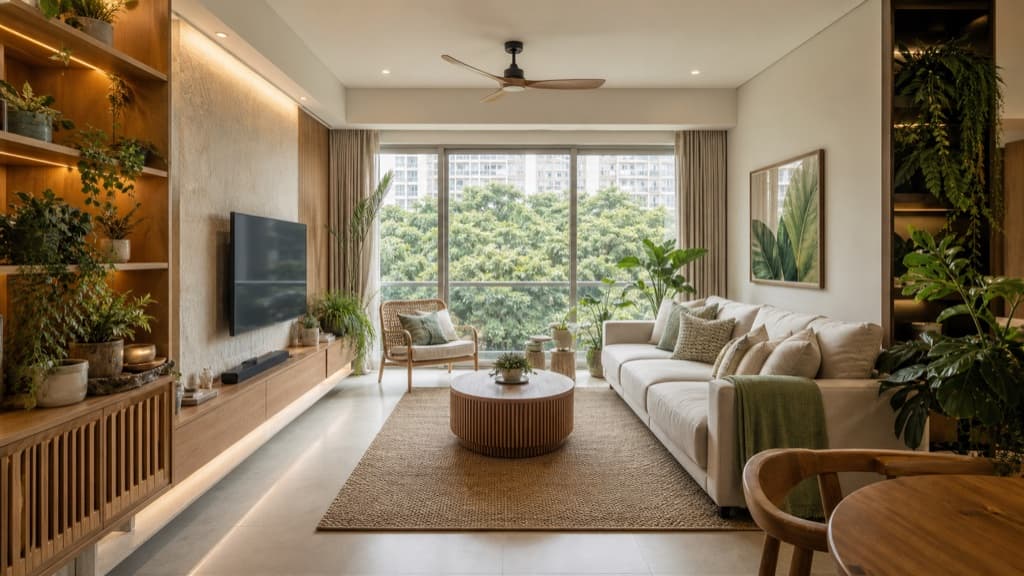
Biophilic interior design is built on a simple idea: humans feel better around nature, so our homes should bring nature in. More than a trend, it's a wellbeing-focused approach that uses light, plants, natural materials, and organic forms to make spaces calmer, healthier, and more restorative.
This guide explains what biophilic design is, the principles behind it, and how to apply them in any home — even a small one.
What Is Biophilic Interior Design?
Biophilic design strengthens our connection to nature indoors. The word biophilia means "love of life," and the approach translates that into spaces full of natural light, greenery, natural materials, and references to the outdoors.
It's less a fixed "look" than a set of principles you can layer onto almost any style — which is why it appears everywhere from minimalist homes to resort-inspired interiors.
The Core Principles of Biophilic Design
Biophilic interiors generally combine:
- Natural light — maximised and well-distributed.
- Greenery — plants of varied scale, from statement trees to small pots.
- Natural materials — wood, stone, rattan, clay, linen.
- Organic forms — curves and natural shapes over hard geometry.
- Natural colours — greens, earth tones, and warm neutrals.
- Sensory connection — airflow, natural texture, and natural views.
The Benefits of Biophilic Design
The appeal isn't just aesthetic. Studies have linked nature-rich interiors to lower stress, better mood, sharper focus, and improved wellbeing. In a world of screens and air-conditioning, a home that feels connected to nature is genuinely restorative — which is exactly why biophilic design has surged into the mainstream of interior trends.
Key Elements: Bringing Nature Indoors
Practical ways to make a room biophilic:
- Layer plants at different heights — floor, shelf, and hanging.
- Choose natural materials for furniture and finishes.
- Use a nature-drawn palette of greens and earth tones.
- Add organic shapes — a curved sofa, a round mirror, an arch.
- Maximise daylight and keep window treatments light.
- Introduce natural texture — jute, linen, timber, stone.
Biophilic Design in Tropical Climates
In warm, humid climates, biophilic design feels right at home. It overlaps strongly with tropical-modern and resort styles: lush greenery, natural ventilation, teak and rattan, and an easy indoor-outdoor flow. The climate even makes plant care easier, so greenery can take a leading role.
Biophilic Design in Small Apartments and HDB Flats
You don't need a big home or a garden. In a flat, focus on the highest-impact moves: maximise natural light, add a handful of hardy houseplants at different heights, choose timber and rattan furniture, and use a green-and-earth palette. Even modest changes shift how calm a small space feels.
How to Get the Biophilic Look
- Maximise daylight and keep windows unobstructed.
- Add plants of varied scale and type.
- Choose natural materials — wood, stone, rattan, linen.
- Use a nature-inspired palette of greens and earth tones.
- Favour organic shapes and natural texture throughout.
Common Biophilic Mistakes to Avoid
- Plants you can't keep alive: match species to your light and routine.
- Fake nature only: some greenery is fine, but real plants and materials matter most.
- Blocking the light: heavy treatments undercut the whole approach.
- Ignoring airflow: ventilation is part of a genuine connection to nature.
See Biophilic Style in Your Own Home
Want to see your space greener and more natural? Upload a photo of your room to ElumiHome and generate a biophilic, nature-led redesign in seconds — then plan which plants, materials, and colours to bring in for real.
Frequently Asked Questions
- What is biophilic interior design?
- Biophilic interior design is an approach that strengthens our connection to nature inside the home. It uses natural light, plants and greenery, natural materials like wood and stone, organic shapes, natural colours, and views of or references to the outdoors. The goal is to create spaces that feel healthier, calmer, and more restorative.
- What are the benefits of biophilic design?
- Research links biophilic design to lower stress, improved mood, better focus, and a greater sense of wellbeing. Bringing in natural light, greenery, and natural materials can make a home feel calmer and more restorative, which is why the approach has become so popular in both homes and workplaces.
- How do I add biophilic design to a small apartment?
- You don't need a garden. Maximise natural light, add a mix of easy houseplants, choose natural materials like wood and rattan, use nature-inspired colours, and bring in organic shapes and textures. Even a few plants, a natural-fibre rug, and timber furniture noticeably shift the feeling of a small space.
- Is biophilic design the same as just adding plants?
- Plants are part of it, but biophilic design is broader. It also covers natural light, natural materials, organic forms, natural colours, airflow, and visual or sensory connections to nature. Plants alone help, but combining all these elements is what creates a genuinely biophilic space.
See your home transformed in typically 1–2 minutes
Upload your room photo and get stunning AI redesigns with HDB prompt-based HDB planning guidance and indicative SGD renovation cost ranges.
Try 1 Room FreeNo credit card required