Brutalist Interior Design: The Complete Guide (2026)
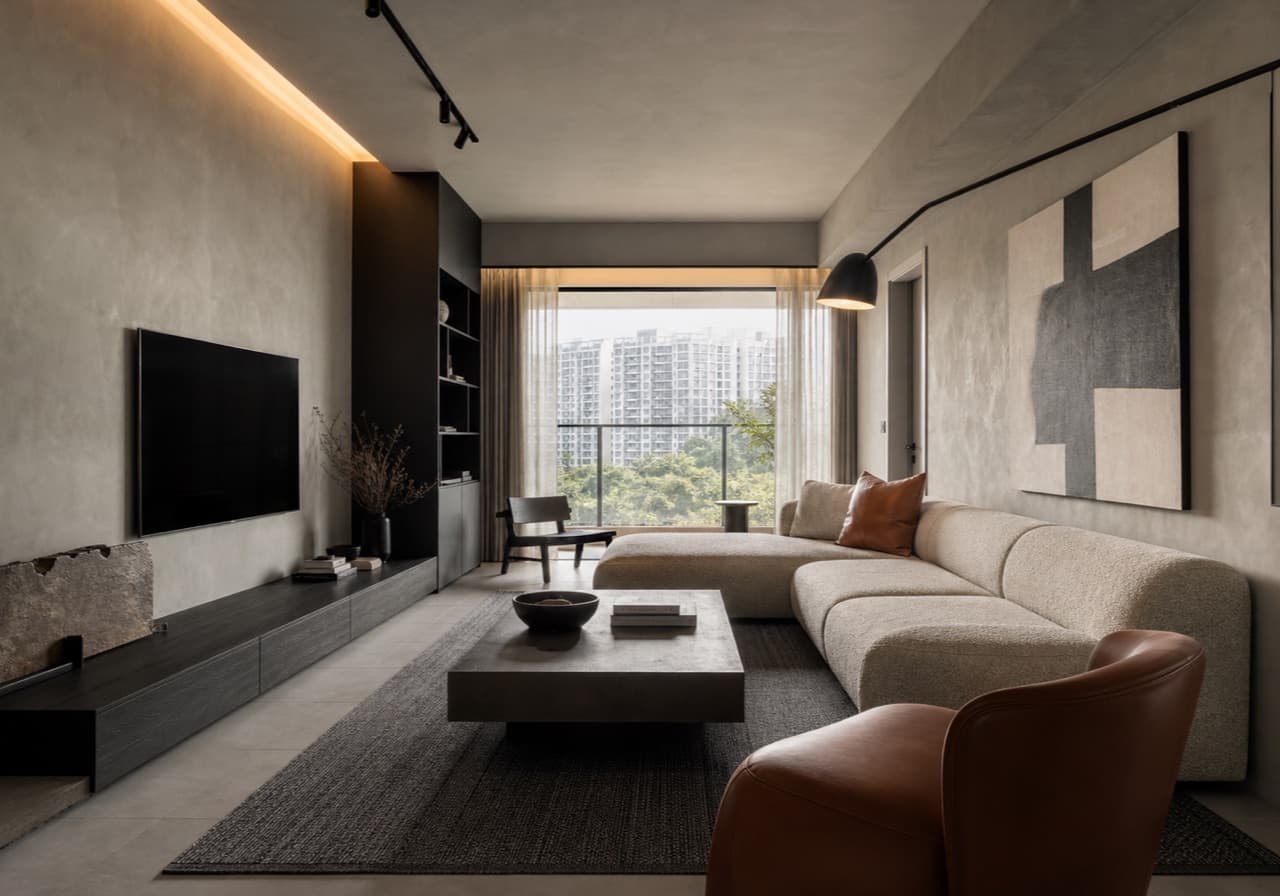
Brutalist Interior Design: The Complete Guide
Brutalist interior design is having a moment. Once associated with imposing concrete buildings, the style has been reborn indoors as something sculptural and serene — raw materials, bold forms, and a tightly controlled palette that feels more like an art gallery than a bunker. The trick is keeping it warm enough to live in.
This guide explains what brutalism is, how it differs from industrial style, and how to get the look without the chill.
What Is Brutalist Interior Design?
Brutalist design grows out of brutalist architecture, a movement that prized honest materials and bold, monolithic form. Indoors, it translates into exposed concrete, strong geometry, and a restrained palette where texture and mass do the work that decoration usually would.
The philosophy is honesty and weight: materials are shown as they are, and forms are simple, heavy, and sculptural.
Brutalist vs Industrial Style
The two are often confused. Industrial references factories — brick, ductwork, metal, and a more eclectic mix. Brutalism is more architectural and sculptural, built around monolithic concrete, mass, and a disciplined monochrome palette. Brutalism is quieter and more austere; industrial is busier and warmer by default.
The Brutalist Colour Palette
The palette is monochromatic and muted:
- Base: concrete grey, charcoal, off-white, black.
- Warmth: natural timber and leather tones.
- Accents: minimal — the materials are the statement.
Key Elements of Brutalist Design
Signatures include:
- Exposed concrete or microcement walls, floors, and surfaces.
- Monolithic, sculptural forms — blocky furniture and built-ins.
- Raw, honest materials — stone, steel, solid wood.
- Strong geometry and clean, heavy lines.
- A restrained, monochrome palette.
How to Make Brutalism Warm and Liveable
This is the make-or-break part. To keep concrete from feeling cold:
- Add timber and leather for warmth.
- Layer wool, boucle, and linen textiles.
- Use soft, layered lighting rather than harsh overheads.
- Bring in a few plants to break up the mass.
- Treat concrete as an accent, not every surface.
Brutalist Living Room and Bathroom Ideas
In the living room, a microcement feature wall, a low blocky sofa softened with boucle cushions, a solid-timber coffee table, and a single sculptural light fixture capture the look. In the bathroom, microcement surfaces, a monolithic stone basin, and matte fixtures create a spa-like, gallery calm.
Brutalism shares DNA with industrial interiors and the pared-back discipline of warm minimalism — borrow from both to keep it grounded.
Brutalist Style in Apartments and Small Homes
You don't need a concrete building. Microcement and concrete-effect finishes let you introduce the look on a single feature wall or vanity. Keep the palette tight, choose a few sculptural pieces, and warm everything with timber, textiles, and soft light so a small space still feels inviting.
How to Get the Brutalist Look
- Introduce concrete or microcement on one key surface.
- Choose blocky, sculptural furniture.
- Keep the palette monochrome and muted.
- Warm it up with timber, leather, and textiles.
- Use soft, layered lighting and a few plants.
Common Brutalist Mistakes to Avoid
- Too cold: without warm materials, the room feels like a car park.
- Concrete everywhere: restraint and balance matter — use it as an accent.
- Harsh lighting: soft, layered light keeps the mood calm.
- Clutter: the style depends on clean, sculptural negative space.
See Brutalist Style in Your Own Home
Concrete is hard to undo, so preview it first. Upload a photo of your room to ElumiHome and generate a brutalist redesign in seconds — test how much raw material your space can take before you renovate.
Frequently Asked Questions
- What is brutalist interior design?
- Brutalist interior design draws on the brutalist architecture movement, celebrating raw, honest materials — especially exposed concrete — and bold, monolithic forms. Interiors emphasise texture, mass, and a restrained, monochromatic palette. The look is sculptural and dramatic, valuing material honesty and strong geometry over decoration.
- Isn't brutalism cold? How do I make it liveable?
- Raw concrete can feel cold on its own, so liveable brutalism balances it with warmth: timber, leather, wool and boucle textiles, soft layered lighting, and a few plants. Keeping concrete as an accent rather than every surface, and adding tactile materials, turns the style from austere to inviting.
- What colours and materials define brutalist interiors?
- The palette is monochromatic and muted — concrete grey, charcoal, off-white, and black — with warmth from natural wood and leather. Materials are raw and honest: concrete, microcement, stone, steel, and solid timber, often left in their natural state.
- What is the difference between brutalist and industrial style?
- Both use raw materials, but industrial style references factories and warehouses (brick, ductwork, metal, an eclectic mix), while brutalism is more sculptural and architectural, focused on monolithic concrete forms, mass, and a tightly controlled monochrome palette.
See your home transformed in typically 1–2 minutes
Upload your room photo and get stunning AI redesigns with HDB prompt-based HDB planning guidance and indicative SGD renovation cost ranges.
Try 1 Room FreeNo credit card required