HDB Flat Sizes: 3-Room vs 4-Room vs 5-Room Guide
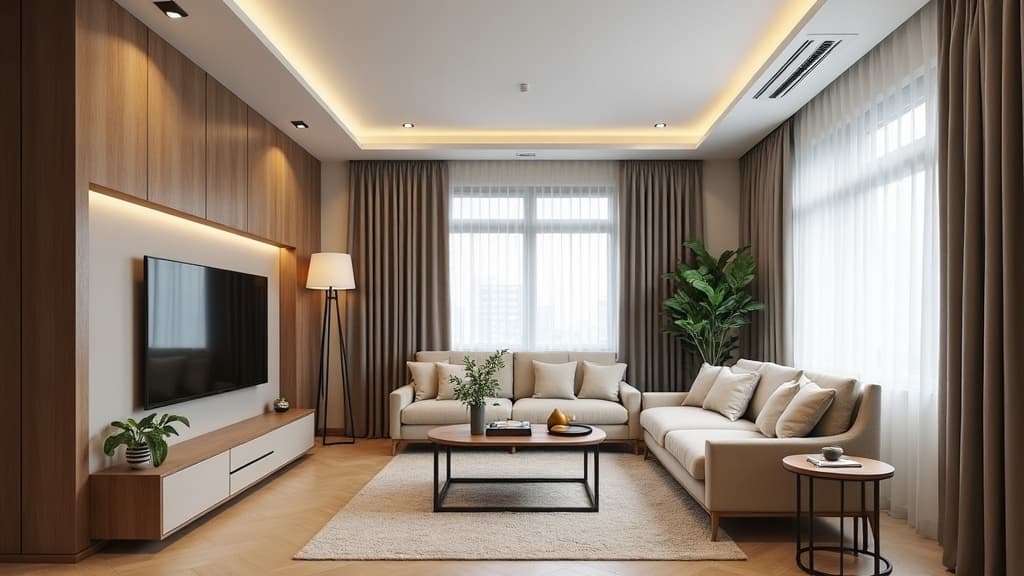
HDB Flat Sizes: 3-Room vs 4-Room vs 5-Room
HDB flat sizes vary by project and building era. Recent BTO examples commonly place 3-room flats around 69 sqm, 4-room flats around 93-96 sqm, and 5-room flats around 113-116 sqm when the air-con ledge is included. Older resale flats can differ, so use these figures for comparison only and confirm the unit against its official floor plan.
HDB itself notes that layout and floor area can vary from flat to flat in its flat-type guidance. For an existing unit, HDB provides an official residential floor-plan service.
HDB Flat Sizes at a Glance
Understanding the difference between HDB flat types is the first step in choosing the right home. The naming convention counts the total number of liveable rooms historically rather than just bedrooms, which is why a 3-room flat has two bedrooms, not three.
| Flat Type | Approx. Size (sqm) | Approx. Size (sqft) | Bedrooms | Typical Occupancy |
|---|---|---|---|---|
| 2-room Flexi | ~38-48 sqm | ~409-517 sq ft | 1 | 1-2 people |
| 3-room | ~69 sqm | ~743 sq ft | 2 | 2-4 people |
| 4-room | ~93-96 sqm | ~1,001-1,033 sq ft | 3 | 4-5 people |
| 5-room | ~113-116 sqm | ~1,216-1,249 sq ft | 3 | 4-6 people |
| Executive | ~130 sqm | ~1,400 sqft | 3 (+ study/utility) | 5–6 people |
These recent-BTO planning ranges are supported by HDB sales materials, including the February 2025 BTO supply annex. They are not universal standards. Older flats and individual projects can be larger or smaller, and HDB sales brochures may distinguish internal floor area from total estimated area including the air-con ledge.
The 3-Room HDB Flat
The 3-room flat is a practical, affordable home that suits couples, small families, and those looking to downsize.
3-Room HDB Floor Plan and Layout
A typical 3-room HDB floor plan includes:
- One master bedroom (often with an attached or shared bathroom)
- One common bedroom
- A combined living and dining area
- A kitchen, often a galley or L-shape
- One or two bathrooms
At roughly 69 sqm in many recent BTO examples, space is still at a premium, so smart storage and multifunctional furniture make a big difference. Light, warm palettes like Japandi or Scandinavian help small rooms feel airy and open.
If you are considering a 3-room flat, explore the 3-room HDB hub for layout ideas and renovation guidance tailored to this size.
The 4-Room HDB Flat
The 4-room flat is Singapore's most popular HDB type, hitting the sweet spot between space and affordability for the typical family.
4-Room HDB Size in Sq Ft
A recent 4-room BTO example commonly measures around 93 to 96 sqm including the air-con ledge, or roughly 1,001 to 1,033 sq ft. Older flats and individual projects vary. The extra space over a 3-room flat usually translates into a third bedroom and second bathroom.
4-Room HDB Floor Plan and Layout
A typical 4-room HDB floor plan offers:
- One master bedroom with attached bathroom
- Two common bedrooms
- A living and dining area, often open-plan in newer units
- A kitchen with a service yard
- Two bathrooms
The third bedroom gives families real flexibility. Many households turn it into a study, nursery, or guest room. With careful planning, a 4-room flat can comfortably house a family of four to five. See the 4-room HDB hub for design inspiration and renovation tips.
The 5-Room HDB Flat
The 5-room flat trades a higher price for more breathing room. Recent BTO examples commonly fall around 113 to 116 sqm including the air-con ledge, with much of the difference appearing in a larger living and dining area rather than an extra bedroom; most 5-room flats still have three bedrooms.
What the Extra Space Buys You
- A more generous open-concept living and dining zone
- Room for a proper dining table that seats six
- Space for a study nook or reading corner without sacrificing a bedroom
- Wider corridors and more storage flexibility
This makes the 5-room flat ideal for families who entertain, work from home, or simply value spaciousness. Browse the 5-room HDB hub for ways to make the most of the larger footprint.
How Many People Fit in Each Flat Type
Occupancy is about more than square metres; it depends on layout and how you use each room.
- 2-room Flexi: Best for singles, couples, or seniors. One bedroom limits family use.
- 3-room: Comfortable for a couple or a small family with one or two young children.
- 4-room: Suits a family of four to five, with three bedrooms covering parents and children.
- 5-room: Similar bedroom count to a 4-room but with more communal space, good for larger or multi-generational families.
- Executive: The most spacious common option, often with a study or utility area, ideal for larger households.
Choosing the Right HDB Flat Type
When weighing flat types, consider these factors:
- Family size now and later. A growing family may outgrow a 3-room flat quickly.
- Budget. Larger flats cost more upfront and to renovate.
- Work-from-home needs. A dedicated study room is easier in a 4 or 5-room flat.
- Resale vs BTO. Older resale flats sometimes offer larger floor areas than newer equivalents, an important point when comparing the same flat type across eras.
Quick Comparison: 3-Room vs 4-Room vs 5-Room
| Factor | 3-Room | 4-Room | 5-Room |
|---|---|---|---|
| Approx. recent BTO size | ~69 sqm | ~93-96 sqm | ~113-116 sqm |
| Bedrooms | 2 | 3 | 3 |
| Best for | Couples, small families | Typical families | Larger families, entertainers |
| Living space | Compact | Moderate | Generous |
| Renovation cost (relative) | Lowest | Moderate | Higher |
How Flat Size Affects Renovation Cost
Size has a direct impact on renovation budgets, and not always in the way people expect. A larger flat costs more in absolute terms because there is more flooring to lay, more wall area to paint, and more rooms to fit out with carpentry. But the cost per square metre can actually be lower in a larger flat, since fixed costs like the kitchen and bathrooms are spread across more space.
As a rough guide based on widely-known approximate figures:
- 3-room flats carry the lowest total renovation cost simply because there is less to do, though compact spaces sometimes need clever, made-to-measure carpentry that adds cost per metre.
- 4-room flats sit in the middle, with the extra bedroom and second bathroom adding to the bill.
- 5-room flats cost the most overall, driven by the larger living and dining area and additional flooring.
When you compare quotes, look at what is included rather than the headline number alone. A larger flat with a basic fit-out can cost less than a smaller flat with premium finishes. For a tailored figure, planning tools and itemised quotes are far more reliable than size-based rules of thumb.
Layout Differences That Matter More Than Size
Two flats of the same type and size can feel completely different depending on layout. When assessing a flat, look beyond the square metres at:
- Frontage and depth. A wider, shallower flat often feels more spacious than a long, narrow one of identical area.
- Window placement. Cross-ventilation and natural light transform how large a room feels.
- Bedroom proportions. Some layouts give a generous master at the expense of cramped common rooms.
- Kitchen position. Whether the kitchen can open to the living area affects the sense of space dramatically.
These factors explain why floor plans, not just the flat type, should guide your decision. A well-laid-out 4-room flat can live larger than a poorly arranged 5-room one.
A Note on Verifying Sizes
HDB flat sizes are not standardised across the decades. A 4-room flat built in the 1980s may differ noticeably in area and shape from a recent BTO 4-room unit. For a new flat, use the project sales brochure. For an existing unit, obtain the official plan through HDB's floor-plan service; HDB states that available plans are supplied as PDF files at a 1:100 scale. Always verify the specific unit before making purchase, furniture, or renovation decisions.
Once you know your flat type, the next step is designing it well. Our HDB renovation hub covers everything from layouts to budgeting, and for bedroom-specific inspiration, see our HDB bedroom design ideas guide.
Visualise Your Flat Before You Commit
Numbers on a floor plan only tell you so much. ElumiHome's AI redesign tool lets you see how your 3, 4, or 5-room HDB flat could look in styles ranging from Japandi to modern contemporary, with prompt-based HDB planning guidance and indicative SGD cost estimates. Sign up to try ElumiHome free and turn square metres into a home you can picture before confirming feasibility and pricing with qualified professionals.
Frequently Asked Questions
- How big is a 3-room HDB flat?
- A recent 3-room BTO flat is commonly around 69 square metres including the air-con ledge, while older and project-specific layouts vary. It typically has two bedrooms, a living and dining area, a kitchen, and bathrooms. Always confirm the exact area on the project's sales brochure or official HDB floor plan.
- How big is a 4-room HDB flat?
- Recent 4-room BTO examples are commonly around 93 to 96 square metres including the air-con ledge, although older and project-specific layouts vary. A 4-room flat generally has three bedrooms, a living and dining area, a kitchen, and two bathrooms. Check the exact HDB floor plan for the unit.
- How many people can stay in a 4-room HDB?
- A 4-room HDB flat comfortably suits a family of four to five, with three bedrooms allowing a couple, children, and sometimes a study or guest room. The actual capacity depends on layout and how rooms are used. Many families convert one bedroom into a study or nursery as needs change.
- How many bedrooms does a 3-room HDB have?
- A 3-room HDB flat typically has two bedrooms: one master bedroom and one common bedroom. The naming refers to the total liveable rooms historically, not just bedrooms. This makes a 3-room flat well suited to couples, small families, or downsizers.
- Do all HDB flats of the same type have the same size?
- No. HDB flat sizes vary by the era they were built and the specific project. A 4-room flat from the 1980s can differ in area and layout from a recent BTO 4-room unit. Use the figures here as approximate guides and verify the exact size on the official floor plan.
See your home transformed in typically 1–2 minutes
Upload your room photo and get stunning AI redesigns with HDB prompt-based HDB planning guidance and indicative SGD renovation cost ranges.
Try 1 Room FreeNo credit card required