HDB Renovation Complete Guide: Everything You Need to Know (2026)
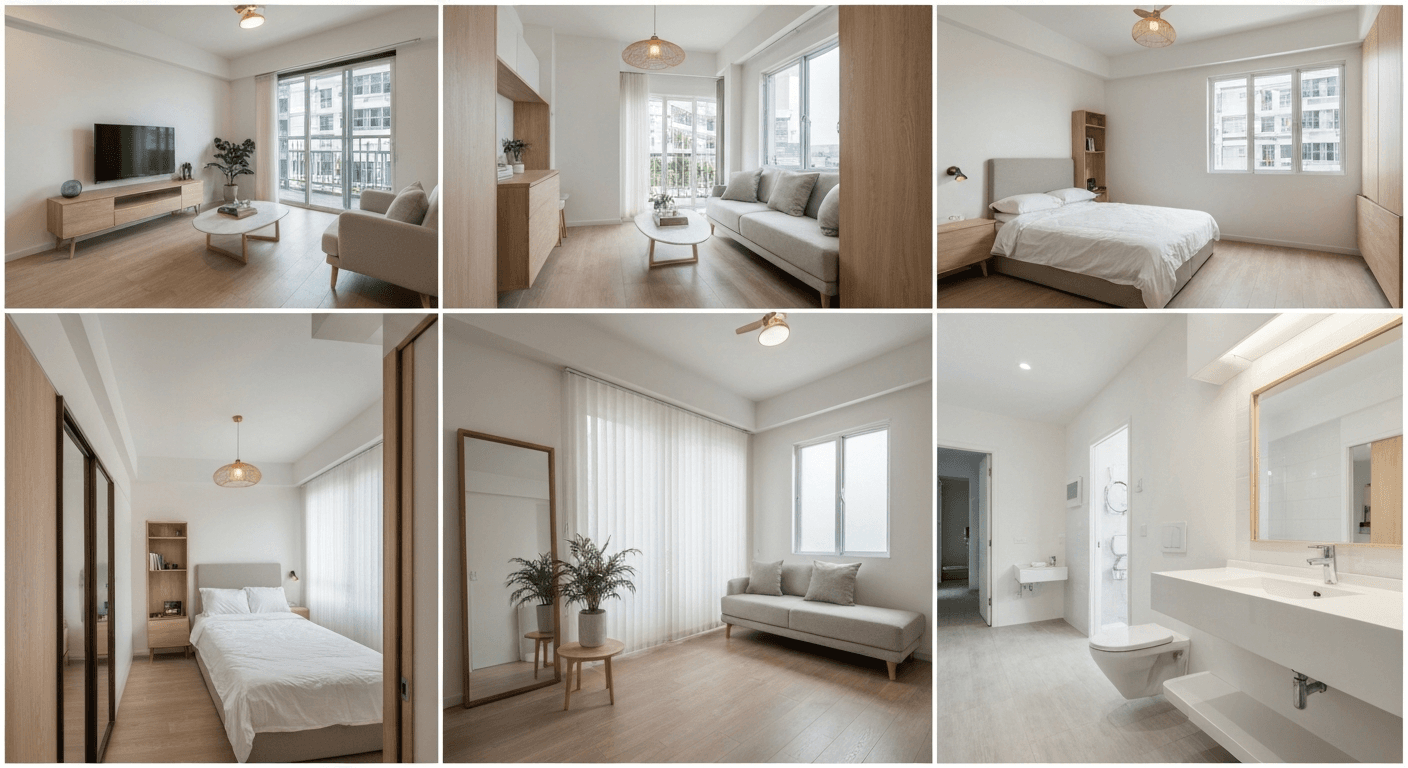
Renovating an HDB flat is one of the biggest financial decisions most Singaporeans make. Done right, a good renovation adds comfort, character, and value. Done wrong, it creates stress, disputes, and unexpected costs.
This guide walks you through every stage — planning, budgeting, permits, contractor selection, execution, and finishing touches.
Phase 1: Planning (4–8 Weeks Before Start)
Define Your Goals
Start with the basics. Ask yourself:
- What's the primary driver? Aesthetics, functionality, or both?
- How long do you plan to live here? BTO owners expecting to upgrade in 5 years should budget differently from those planning long-term stays.
- Who lives here? Elderly parents, young children, and pets all affect design decisions.
Establish Your Budget
Singapore renovation costs vary significantly:
| Property Type | Budget Range | Full Renovation |
|---|---|---|
| BTO 3-Room | S$30,000–S$45,000 | S$50,000+ |
| BTO 4-Room | S$40,000–S$60,000 | S$70,000+ |
| BTO 5-Room | S$50,000–S$75,000 | S$90,000+ |
| Resale HDB | S$60,000–S$100,000 | S$120,000+ |
Budget an additional 10–15% contingency for unexpected structural issues, especially in older resale flats. For a deeper breakdown of where the money goes, see our 2026 guide to renovation costs in Singapore, and if you plan to finance the works, read up on the HDB renovation loan options.
Visualise Your Style
Before approaching any contractor, have a clear vision of your preferred style. Browse references on Pinterest, Qanvast, and use AI tools like ElumiHome to see your actual room in different styles before committing.
Popular HDB styles in 2026:
- Japandi — Japanese minimalism meets Scandinavian warmth; clean lines, natural materials
- Tropical Modern — rattan accents, lush greens, breezy palette; perfect for Singapore's climate
- Modern Contemporary — timeless neutrals, integrated storage, practical luxury
- Muji Minimalist — pared-back, clutter-free, natural wood tones
Phase 2: Finding the Right Interior Designer or ID Firm
Interior Design Firm vs. Direct Contractor
Interior Design (ID) Firm: One point of contact manages the entire project — design, sourcing, permits, and contractors. More expensive (10–20% premium) but less stressful.
Direct Renovation Contractor: You manage the process. Cheaper but requires more hands-on involvement and multiple quotations.
What to Look For
- HDB RCRS registration — mandatory for any HDB renovation work
- CaseTrust accreditation — voluntary but indicates commitment to consumer protection
- Portfolio of similar flat types — an ID who specialises in 4-room BTOs understands your constraints
- References — speak to past clients; Qanvast and HardwareZone forums have candid reviews
Getting Quotations
Get at least 3 quotations from different firms. Ensure each quote covers:
- Full scope of works (not just carpentry)
- Materials specifications (laminate grade, tile brand, etc.)
- Timeline and payment milestones
- Warranty period (typically 12 months on carpentry, 6 months on painting)
Phase 3: Permits and Approvals
HDB Renovation Permit
Your HDB RCRS-registered contractor submits the renovation application. Typical processing time: 3–5 business days.
Works that typically need approval:
- Wall hacking (non-structural only; bomb shelter walls forbidden)
- Plumbing relocation
- Electrical DB box work (relocation not permitted)
- Window or balcony modifications
See our full HDB Renovation Permit Guide for details.
Town Council Deposit
Most Town Councils require a deposit (S$500–S$1,000) before renovation starts, refundable after final inspection.
Phase 4: Design Finalisation
Once you've selected your ID or contractor, the design phase typically takes 2–4 weeks:
- Concept presentation — mood boards, 3D renders, material samples
- Site measurements — contractor measures the actual flat (critical for built-in carpentry)
- Final design sign-off — get everything in writing
- Material selection — visit showrooms for tiles, laminates, fittings
Pro tip: Ask for a detailed BOM (Bill of Materials) listing every material with brand, grade, and quantity. This protects you from substitutions during execution.
Phase 5: Renovation Execution
Typical Timeline
A full 4-room HDB renovation takes 8–12 weeks. Sequence matters:
| Week | Works |
|---|---|
| 1–2 | Demolition, hacking, plumbing rough-in |
| 2–3 | Electrical rough-in, plastering, waterproofing |
| 3–5 | Tiling (bathrooms and kitchen first) |
| 5–7 | Carpentry installation |
| 7–8 | Painting |
| 8–9 | Sanitary fittings, electrical final fix |
| 9–10 | Flooring (vinyl or wood — after dusty works done) |
| 10–11 | Furniture delivery, accessories, touch-ups |
| 11–12 | Defect rectification and handover |
Managing Your Renovation
- Visit the site regularly (every 2–3 days) — do not rely solely on photos
- Keep a defect log with timestamped photos
- Don't make verbal changes — all scope changes must be in writing with agreed costs
- Hold back final payment until defects are rectified
Phase 6: Defects and Handover
Defect Inspection
Do a thorough walk-through before making final payment:
- Carpentry: Check all doors open/close smoothly, drawers slide without binding, surfaces free of chips
- Tiling: Tap tiles for hollow sounds (indicates poor adhesion), check grout lines are even
- Painting: Check for brush marks, uneven coverage, colour consistency
- Electrical: Test every switch and power point
- Plumbing: Run all taps, check for leaks under sinks and behind toilets
Warranty Period
Most contractors offer:
- Carpentry: 12 months
- Painting: 6 months
- Tiling: 12 months
- Plumbing: 6 months
Report defects within the warranty period in writing (email is best for a paper trail).
Phase 7: Moving In
Airing Out Your New Flat
New renovation materials (laminates, paints, adhesives) off-gas for the first few weeks. Open windows and ventilate well before sleeping in the flat. Some recommend leaving the flat empty and ventilated for 1–2 weeks.
HDB BTO Defects
For brand-new BTOs, report any defects via the HDB MyNiceHome portal within the 1-year Defects Liability Period (DLP). Your renovation contractor's defects are separate from HDB's DLP.
Common Renovation Mistakes in Singapore
1. Underestimating the scope of resale flat renovation Resale flats often have hidden issues — old wiring, aging pipes, previous owners' modifications — that only surface during hacking. Our dedicated resale HDB renovation guide covers how to scope these works accurately.
2. Prioritising aesthetics over functionality Open concept kitchens look beautiful but are impractical for wok hei cooking. Make sure your ventilation is up to the task.
3. Overlooking storage Singapore flats are compact. Built-in storage is almost always worth the investment.
4. Rushing the contractor Rushing shortcuts corners. A two-week delay in tiling is less painful than having to rehack and redo a floor.
Use AI to Visualise Before Spending a Dollar
One of the best investments before starting renovation is spending time visualising. ElumiHome lets you upload your actual room photos and see them redesigned in any of 18 Singapore-curated styles — free.
Related Guides
Frequently Asked Questions
- How much does it cost to renovate an HDB flat in Singapore?
- A full HDB renovation typically costs S$30,000–S$70,000 depending on flat size, whether it is a BTO or resale unit, and the level of carpentry and finishes. Resale flats often cost more because they need hacking and replacement of older fittings. Kitchen and bathroom works plus built-in carpentry are usually the largest cost components.
- How long does a full HDB renovation take?
- A full HDB renovation generally takes around 8–12 weeks, with resale flats often taking longer due to additional hacking and rectification. Planning, quotations, and design can add several more weeks before works begin. Custom carpentry and appliance lead times should be factored into your timeline.
- Should I hire an ID firm or a direct contractor for my HDB renovation?
- An ID firm offers design and project management for a premium of roughly 10–25%, while a direct contractor costs less but requires you to manage the project yourself. Design-build firms sit in between and suit most homeowners wanting single accountability. The right choice depends on your budget and how much of the project you want to oversee.
- What HDB works require approval before I start?
- Structural, electrical, plumbing, and certain finishing works require HDB approval according to HDB guidelines, while most cosmetic interior works do not. The bomb shelter walls can never be altered. Your HDB-registered contractor normally submits the necessary permit applications for you.
See your home transformed in typically 1–2 minutes
Upload your room photo and get stunning AI redesigns with HDB prompt-based HDB planning guidance and indicative SGD renovation cost ranges.
Try 1 Room FreeNo credit card required