Mediterranean Interior Design: The Complete Guide (2026)
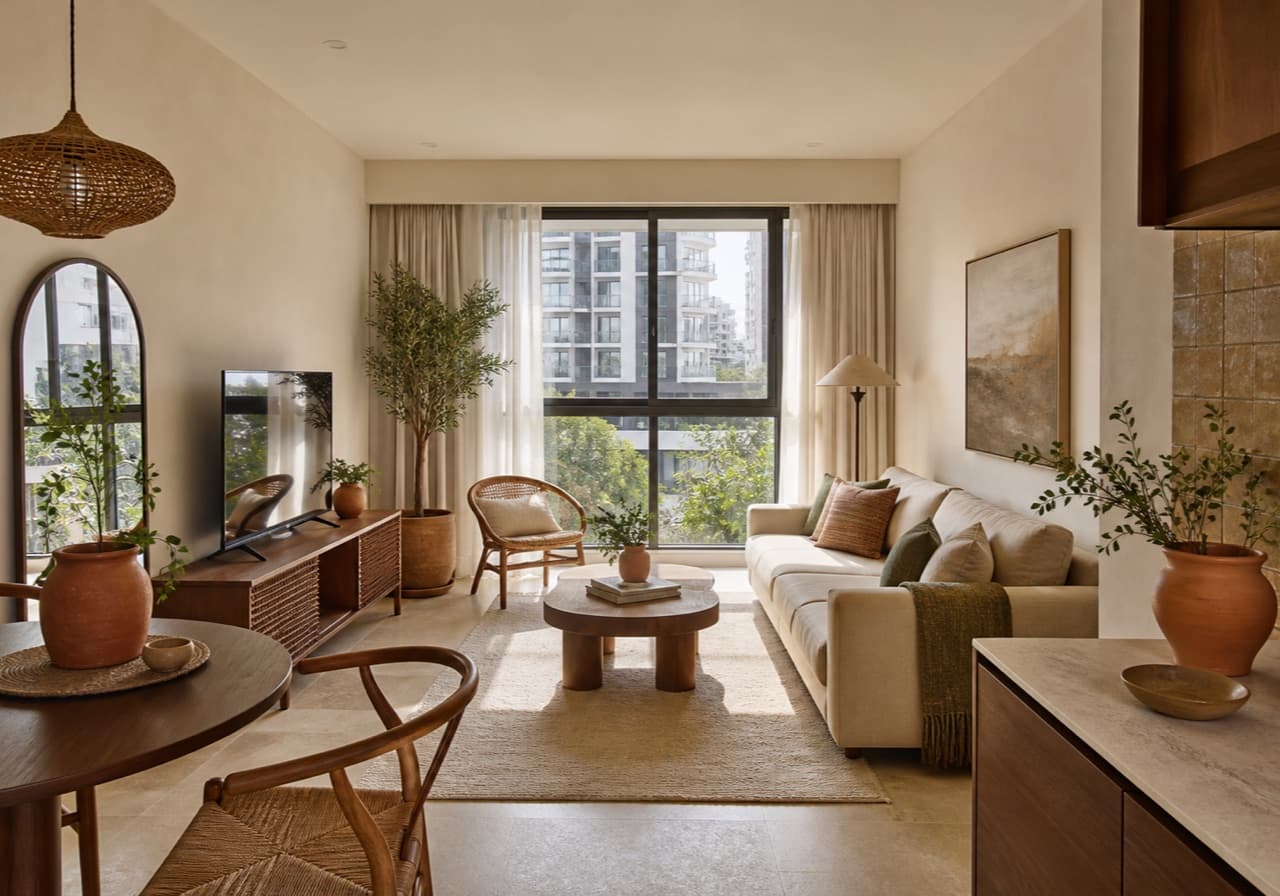
Mediterranean Interior Design: The Complete Guide
Mediterranean interior design bottles the feeling of a slow summer by the sea. Inspired by the coastal homes of Spain, Italy, Greece, and the south of France, it's warm, relaxed, and deeply connected to nature — all sun-washed plaster, terracotta floors, and gentle arches.
This guide covers what Mediterranean style is, the elements that define it, and how to bring its easy warmth into any home.
What Is Mediterranean Interior Design?
Mediterranean design is built around warmth, natural materials, and a relaxed connection to the outdoors. It evolved in hot coastal climates, so it favours cool plaster walls, shaded interiors, breezy textiles, and surfaces that age gracefully.
The style feels hand-made rather than manufactured. Imperfection — a slightly uneven plaster wall, a hand-glazed tile — is part of its charm.
The Mediterranean Colour Palette
The colours come straight from the landscape:
- Base: warm white, cream, and sand.
- Earth tones: terracotta, clay, ochre, and umber.
- Nature accents: olive and sage green, sea and sky blues.
These sun-faded tones create a calm, organic backdrop that feels warm in any light.
Key Elements of Mediterranean Design
Look for these signatures:
- Arched doorways and niches that soften the architecture.
- Plaster or stucco walls with subtle texture and movement.
- Terracotta and natural stone floors.
- Wrought iron details on railings, lighting, and hardware.
- Rattan, linen, and aged wood for relaxed, tactile furniture.
- Hand-glazed ceramic tiles, often on kitchens, stairs, and feature areas.
Mediterranean Materials and Textures
Texture is everything here. Lime-plaster or microcement walls give a soft, hand-finished surface; terracotta and stone ground the room; linen and cotton keep textiles breezy. Layer in woven baskets, ceramic vessels, and aged timber so every surface feels touchable and warm.
Modern Mediterranean Design
The contemporary version keeps the warmth but strips back the clutter. Think smooth plaster walls, clean arches, a restrained earthy palette, and just a few natural-material pieces. Modern Mediterranean overlaps with warm minimalism and biophilic trends, which is a big reason it has surged in popularity.
Mediterranean Living Room and Kitchen Ideas
In the living room, set a low linen sofa against a plaster wall, add a rustic wooden coffee table, a jute rug, and ceramic lamps. Keep windows light with sheer linen to let the breeze and light through.
In the kitchen, hand-glazed tiles, open wood shelving, terracotta floors, and brass or wrought-iron fixtures create the heart of a Mediterranean home. A few ceramic bowls and a bowl of citrus complete the picture.
Mediterranean and Coastal Style in Warm Climates
Because it was designed for hot weather, Mediterranean style translates beautifully to tropical homes. Its breathable materials, shaded palette, and indoor-outdoor flow share a lot with resort and tropical-modern looks — natural textures, greenery, and a calm, holiday mood that suits a humid climate.
How to Get the Mediterranean Look
- Warm the walls with plaster, microcement, or a textured paint finish.
- Add arches where you can — even a curved mirror or niche helps.
- Layer natural materials: terracotta, rattan, linen, aged wood.
- Keep the palette earthy with blue or green accents.
- Finish with ceramics, greenery, and wrought-iron details.
Common Mediterranean Mistakes to Avoid
- Going too themed: avoid turning a home into a faux-villa cliché; keep it personal.
- Flat, lifeless walls: texture is essential — plain paint loses the magic.
- Cold lighting: stick to warm tones to keep the sun-washed feel.
- Over-cluttering: even the rustic version benefits from negative space.
See Mediterranean Style in Your Own Home
Want to know if warm plaster and terracotta suit your space? Upload a photo of your room to ElumiHome and generate a Mediterranean redesign in seconds — then compare it with other warm, natural styles before you commit.
Frequently Asked Questions
- What is Mediterranean interior design?
- Mediterranean interior design draws on the homes of coastal Spain, Italy, Greece, and southern France. It is warm, relaxed, and connected to nature, using earthy colours, natural materials like terracotta, plaster, and wood, arched forms, and plenty of texture. The overall feeling is sun-washed, hand-crafted, and inviting.
- What colours define Mediterranean style?
- The palette is drawn from the landscape: warm whites and creams, terracotta and clay, olive and sage green, ochre, and sea blues. These earthy, sun-faded tones create a calm, organic backdrop, with blue and green accents echoing the sea and surrounding greenery.
- What is modern Mediterranean design?
- Modern Mediterranean keeps the warmth and natural materials of the traditional style but pares back the ornamentation. It uses clean arches, smooth plaster or microcement walls, minimal furniture in natural tones, and a restrained palette — combining old-world texture with contemporary simplicity.
- What materials are used in Mediterranean interiors?
- Key materials include lime plaster or stucco walls, terracotta and natural stone flooring, aged or whitewashed wood, wrought iron, rattan, linen, and ceramic tiles. Hand-crafted, imperfect finishes are central to the look.
See your home transformed in typically 1–2 minutes
Upload your room photo and get stunning AI redesigns with HDB prompt-based HDB planning guidance and indicative SGD renovation cost ranges.
Try 1 Room FreeNo credit card required