Modern Peranakan Interior Design: A Singapore Style Guide
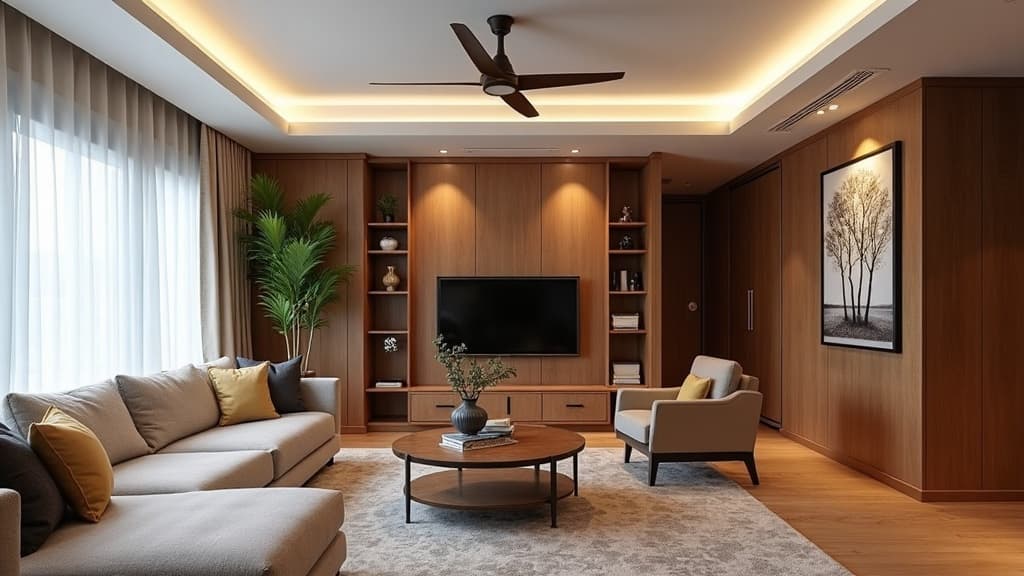
Modern Peranakan Interior Design for Singapore Homes
Peranakan interior design is a heritage Straits style that blends Chinese, Malay, and European influences into a colourful, intricately decorated look, famous for its patterned tiles, ornate woodwork, and jewel-toned palette. In modern Singapore homes, the trend is to use these elements as bold accents against a calm, neutral backdrop, giving a flat real cultural character without feeling cluttered. This guide shows how to bring modern Peranakan style into an HDB or condo tastefully.
What Peranakan Interior Design Is
The Peranakan, or Straits-born Chinese, culture produced one of Singapore's most distinctive aesthetics. Traditional Peranakan interiors are rich, layered, and craft-heavy, reflecting a community that prized beauty, hospitality, and detail. Key hallmarks include:
- Vibrant colour: jewel tones and pastels used confidently.
- Intricate motifs: peonies, phoenixes, florals, and geometric borders.
- Ornate woodwork: carved screens, dividers, and detailed furniture.
- Signature tiles: glazed patterned floor and wall tiles.
Modern peranakan interior design keeps this spirit but edits it for contemporary, smaller homes, swapping wall-to-wall ornamentation for considered, high-impact accents.
The Peranakan Colour Palette
Peranakan colour is bold but not random. It typically pairs a vivid hue with a calmer ground.
| Role | Typical colours |
|---|---|
| Signature hues | Emerald green, turquoise, coral pink, sunshine yellow |
| Grounding tones | White, cream, deep teak brown |
| Metallic accents | Gold and brass detailing |
| Modern neutral base | Off-white walls to let colour pop |
In a modern scheme, the trick is restraint: choose one or two signature colours, pair them with neutral walls, and let the patterned pieces carry the drama.
Peranakan Tiles: The Defining Element
If one feature says Peranakan, it is the tile. Peranakan tiles are glazed, often encaustic, tiles featuring repeating florals, peonies, scrolls, and geometric borders in bright, contrasting colours. Traditionally they ran across shophouse facades, floors, and stair risers.
In a modern HDB or condo, concentrate them where they make the biggest impact:
- Kitchen splashback: a band of patterned tiles behind the hob or sink.
- Balcony or service yard floor: a heritage touch underfoot.
- Bathroom feature wall: a single tiled wall as an accent.
- Stair risers in maisonettes or duplex condos.
Using tiles in defined zones gives strong character while keeping the rest of the home calm and spacious.
How to Add Peranakan Touches to a Modern HDB
The modern approach treats Peranakan as a layer of accents, not a full theme. A balanced recipe:
- Keep walls neutral. Off-white or soft cream lets the decorative elements shine.
- Choose one feature. A tiled splashback or feature wall is usually enough.
- Add heritage furniture sparingly. One carved console, a rattan armchair, or a daybed adds craft without crowding.
- Layer soft accents. Cushions, table runners, and framed art in Peranakan motifs are easy, low-commitment ways to bring in colour.
- Bring in brass. Gold or brass handles, lamps, and frames echo the traditional metallic detailing.
The dining room is a natural home for Peranakan style, given its cultural emphasis on hospitality and shared meals. See the Peranakan dining room collection and our dining room design ideas for layout inspiration, plus the Peranakan-inspired style page for curated visuals.
Modern vs Traditional Peranakan
| Traditional Peranakan | Modern Peranakan | |
|---|---|---|
| Colour use | Bold throughout | One or two signature accents |
| Tiles | Floors, facades, walls | Feature zones only |
| Furniture | Heavily carved, ornate | Selective carved or rattan pieces |
| Walls | Patterned or richly coloured | Neutral base |
| Overall feel | Maximalist heritage | Balanced, heritage-meets-minimal |
The modern interpretation suits Singapore's compact homes far better, delivering character without the visual heaviness of a full traditional scheme.
Is Peranakan Style Suitable for Small Flats?
Yes, provided you apply it selectively. In a small HDB flat, concentrate detail in one or two zones, keep the broader palette light, and avoid covering every surface with pattern. This preserves the feeling of space while still giving the home a distinct heritage identity. Overdoing it is the main risk, so when in doubt, use less.
Pairing Peranakan with Other Styles
Peranakan accents combine surprisingly well with calmer contemporary bases. A largely neutral, modern interior with a single tiled feature and a few heritage pieces reads as fresh rather than themed. If you are also exploring restrained looks, our guides to Scandinavian interior design for HDB flats and broader Singapore interior design trends for 2026 show how neutral backdrops let accent styles like Peranakan stand out.
What It Costs in Singapore
Peranakan accenting can be done affordably or lavishly, depending on tiling and carpentry. Rough Singapore ranges:
| Scope | Indicative range (SGD) |
|---|---|
| Soft accents and art | 800 - 3,000 |
| Tiled feature zone (e.g. splashback) | 1,500 - 6,000 |
| Carved or custom heritage furniture | 2,000 - 10,000+ |
Patterned tiles and bespoke carpentry are the biggest variables, so price these early.
Furniture and Materials in Peranakan Style
Beyond colour and tiles, materials carry a lot of Peranakan character. Traditional pieces showcased dark, richly carved hardwood, mother-of-pearl inlay, and detailed joinery. A modern home does not need wall-to-wall antiques to capture this; a few well-chosen pieces do the work.
Materials and furniture that read as Peranakan without overwhelming a flat:
- Carved timber accents: a console, a fretwork screen, or a sideboard with detailing.
- Rattan and cane: woven chair backs and daybeds nod to the tropical, airy side of the style.
- Marble-topped tables: a classic Peranakan parlour element, ideal for a dining or side table.
- Brass and gold detailing: handles, picture frames, and lamps echo the metallic richness.
- Glass and porcelain: display a small collection of patterned Nyonyaware-style ceramics for an authentic touch.
Mixing one or two of these against contemporary, simple furniture is what makes the look feel modern rather than like a museum.
Lighting and Display
Peranakan interiors traditionally used decorative lighting and curated displays to show off prized objects. In a modern flat, a statement pendant with a patterned or coloured shade can anchor a dining area, while warm 2700K to 3000K lighting keeps the rich colours looking deep rather than washed out.
A single glass-fronted cabinet or a styled open shelf is a tasteful way to display heritage ceramics, beadwork, or framed motifs without scattering clutter. Treat these as a small, intentional collection rather than a crowded mantel.
Bringing It Together in One Room
The clearest way to apply modern Peranakan is to pick one anchor zone and build around it. For example, in a dining area you might lay a patterned tile band as a feature, place a marble-topped table with rattan chairs, hang a pendant with a coloured shade, and add two cushions or a runner in a peony motif. The walls stay neutral, the floor stays simple, and the heritage elements do all the talking. This restraint is exactly what separates a modern, liveable Peranakan home from an overdone one.
Common Mistakes to Avoid
- Pattern overload: too many tiles and motifs at once overwhelm a small flat.
- Clashing colours: pick a tight palette rather than every Peranakan hue.
- All theme, no edit: modern Peranakan needs neutral breathing space to work.
- Ignoring scale: large ornate furniture can swamp a compact HDB room.
See Peranakan Style in Your Home
The easiest way to judge how much heritage detail your home can carry is to see it rendered on your actual room. ElumiHome's AI redesign can apply a modern Peranakan-inspired look to your HDB or condo, balancing signature colour and tiles against a calm base tuned for Singapore proportions.
Frequently Asked Questions
- What is Peranakan interior design?
- Peranakan interior design is a heritage Singapore and Straits style that blends Chinese, Malay, and European influences into a richly decorative look. It is known for vibrant colours, intricate motifs, ornate carved woodwork, and signature patterned floor tiles. Modern versions keep the colour and craft but apply them in a more restrained, contemporary way.
- What colours and tiles define Peranakan style?
- Peranakan style is defined by jewel and pastel tones such as emerald green, turquoise, coral pink, and yellow, often against white or dark wood. The hallmark is Peranakan tiles, which are glazed encaustic floor and wall tiles featuring florals, peonies, and geometric borders in bold, repeating patterns.
- How do you add Peranakan touches to a modern HDB?
- Use Peranakan elements as accents rather than covering everything. A patterned tile feature on a kitchen splashback or balcony, a few pieces of carved or rattan furniture, and accent cushions or art in Peranakan motifs add heritage character. Keep walls neutral so the decorative pieces stand out without overwhelming a compact flat.
- Is Peranakan style suitable for small flats?
- Yes, when applied selectively. In small HDB flats, concentrate Peranakan detail in one or two zones such as a tiled splashback or a feature wall, and keep the rest of the palette light and simple. This gives a flat strong heritage character while preserving the sense of space.
See your home transformed in typically 1–2 minutes
Upload your room photo and get stunning AI redesigns with HDB prompt-based HDB planning guidance and indicative SGD renovation cost ranges.
Try 1 Room FreeNo credit card required