Muji Interior Design: The Singapore Style Guide for 2026
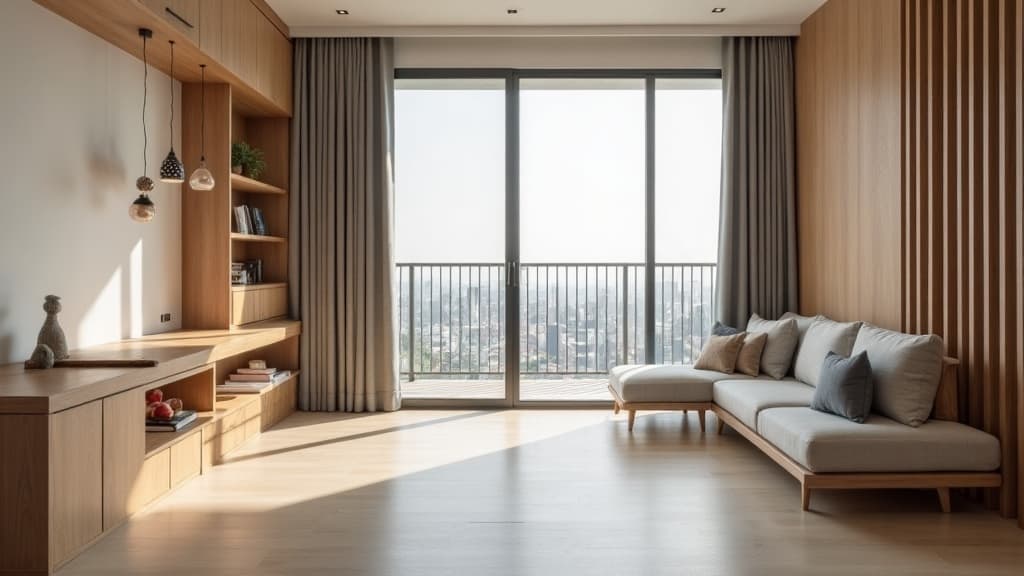
Muji Interior Design: A Calm Singapore Guide
Muji interior design is a calm, functional take on Japanese minimalism, built around simplicity, natural materials, and clutter-free living. In Singapore, the muji style suits compact HDB flats and condos perfectly because its modular storage and clear surfaces make small spaces feel larger and more restful. If you want a home that feels quiet, practical, and uncluttered, Muji is one of the easiest looks to live with.
What Muji Style Interior Design Is
The Muji aesthetic grew out of a design philosophy that values usefulness, restraint, and the quiet beauty of everyday objects. Translated into interiors, muji style interior design means:
- Function first: every item earns its place by being useful.
- Neutral, natural palette: white, beige, and light wood dominate.
- Modular storage: tidy systems that keep surfaces clear.
- Understated objects: simple, unbranded, and chosen for quality over flash.
The overall feeling is serene and grounded, the visual equivalent of a deep breath.
Why Muji Works in Singapore Homes
Singapore flats reward styles that fight clutter and stretch space, which is exactly what Muji does.
- Modular storage hides the inevitable clutter of compact living.
- Light wood and neutral tones bounce tropical daylight around small rooms.
- Breathable natural materials such as cotton and linen handle humidity well.
- The pared-back look reduces visual noise in open-plan HDB layouts.
For a broader look at related calm styles, see what Japandi is and the Muji-minimalist style page.
The Muji Colour Palette and Materials
| Element | Typical choice |
|---|---|
| Walls | White, off-white, soft beige |
| Wood | Light oak, ash, beech |
| Textiles | Natural cotton, linen, undyed wool |
| Accents | Muted grey, soft brown, gentle green |
| Finishes | Matte, natural, unlacquered |
Muji deliberately avoids glossy surfaces, loud colours, and visible branding. The palette is intentionally quiet so the function and texture of each piece can stand out.
Muji vs Japandi: How They Differ
This is the most common Muji question, because the two look similar at a glance.
| Muji | Japandi | |
|---|---|---|
| Core idea | Pure functional Japanese minimalism | Japanese + Scandinavian hybrid |
| Warmth | Quiet and neutral | Warmer, cosier |
| Storage | Modular, system-driven | Built-in and concealed |
| Accents | Very few, muted | Charcoal, walnut, soft colour |
| Feel | Practical and bare | Designed and layered |
Think of Muji as the disciplined base and Japandi as the same discipline with a warm Scandinavian layer added. Many Singapore homes start Muji and drift toward Japandi as they add texture and accents.
Scandinavian Muji: A Popular Hybrid
A scandinavian muji interior design blends Muji's functional restraint with Scandinavian brightness and cosy textiles. You keep the modular storage and neutral palette, then add a textured rug, knit throws, and a touch of warmth through light oak. It is an easy, forgiving direction for first-time renovators who want calm but not bareness. If this hybrid appeals, our guide to Scandinavian interior design for HDB flats covers the brighter half of the equation in detail.
How to Get the Muji Look on a Budget
Minimalist muji interior design is one of the most affordable styles to achieve because it depends on discipline more than spending.
- Declutter ruthlessly. Clear surfaces deliver most of the look for free.
- Keep walls white and let light wood do the warming.
- Invest in modular storage before decorative furniture, so clutter has a home.
- Choose simple, unbranded items in neutral tones.
- Add a little natural texture through linen cushions, a cotton throw, and a plant or two.
Indicative Singapore ranges:
| Scope | Indicative range (SGD) |
|---|---|
| Declutter and styling | 1,000 - 3,000 |
| Single room makeover | 4,000 - 10,000 |
| Whole-flat Muji renovation | 20,000 - 50,000+ |
As always, carpentry, storage systems, and finishes drive the final cost.
Muji Room by Room
Living room
A low light-wood TV console with concealed storage, a simple fabric sofa in beige, a cotton rug, and almost-clear surfaces. One plant and one piece of art are plenty. See the Muji living room collection for visuals.
Bedroom
A low wood bed frame, white cotton bedding, and modular storage that keeps the room calm. Skip bulky headboards and heavy decor.
Study and storage zones
Muji shines here. Use modular shelving and uniform boxes so cables, files, and odds and ends disappear behind a tidy, repeating grid.
Storage: The Heart of the Muji Look
If there is one element that makes or breaks muji style interior design, it is storage. The calm, clear surfaces that define the look are only possible when everything has a designated, hidden home. Muji-inspired interiors treat storage as a system rather than an afterthought.
Practical principles for an HDB or condo:
- Standardise containers. Use the same boxes, baskets, or drawers throughout so storage reads as a calm, repeating grid rather than a jumble.
- Build in where you can. Concealed carpentry along a wall hides clutter while keeping the room visually quiet.
- Label discreetly. Simple, uniform labels keep systems usable without adding visual noise.
- Leave breathing room. Do not pack shelves to the brim; a little empty space is part of the aesthetic.
Get storage right and the rest of the Muji look largely takes care of itself.
Lighting and Atmosphere
Muji interiors favour soft, even, warm light that flatters natural materials. Stick to warm 2700K to 3000K bulbs and layer a ceiling source with a floor or table lamp for evening calm. Harsh, cool overhead lighting clashes with the gentle neutral palette and makes light wood look grey, so it is worth changing early.
Daylight is an asset here too. Keep windows lightly dressed with sheers or simple blinds so natural light can move through the space, reinforcing the airy, uncluttered feeling that makes Muji work so well in compact Singapore homes.
Common Muji Mistakes
- Confusing bare with calm: without texture, a Muji room can feel empty. Add natural fabrics.
- Cluttered surfaces: even one busy shelf undoes the look. Store, don't display.
- Cool lighting: stick to warm white light to keep the neutral palette cosy.
- Mismatched storage: uniform, repeating storage is part of the aesthetic.
Muji for Different Singapore Home Types
Minimalist Muji interior design adapts well across Singapore's housing types, with a slightly different emphasis in each.
- BTO and new HDB flats: a blank canvas suits Muji perfectly. Plan modular storage and built-ins from the start so surfaces stay clear for years.
- Resale HDB flats: Muji's light palette and clean lines can modernise dated interiors affordably, often without major hacking.
- Condos: the style's restraint lets architectural features and views take centre stage, while modular storage keeps compact condo layouts tidy.
In every case, the core discipline is the same: store more than you display, and let light wood and neutral tones do the work.
Living With Muji Day to Day
Muji is as much a habit as a look. The style stays beautiful only if you maintain its core principle of keeping surfaces clear, so a quick daily reset and a regular declutter matter more than any single purchase. The upside is a home that is genuinely calmer to live in: less visual noise, fewer things to manage, and a sense of order that many Singapore households find restful after a busy day. For those who value simplicity and function over display, few styles deliver as much for as little ongoing effort.
See Muji Style in Your Home
The fastest way to know if Muji suits your space is to see it applied to your actual room. ElumiHome's AI redesign renders your HDB or condo in a clean, calm Muji style tuned for Singapore proportions, lighting, and storage needs, so you can preview the look before changing a thing.
Frequently Asked Questions
- What is Muji style interior design?
- Muji style interior design is a calm, functional Japanese minimalism centred on simplicity, natural materials, and clutter-free living. It favours light wood, neutral tones, modular storage, and unbranded, understated objects chosen for usefulness rather than show. The result is an uncluttered, restful home that feels practical and serene.
- What is the difference between Muji and Japandi?
- Muji is a purer Japanese minimalism focused on function, modular storage, and quiet neutral tones. Japandi blends that Japanese restraint with Scandinavian warmth, adding cosier textures and slightly richer accents. In short, Muji is the practical, pared-back base, while Japandi is warmer and more designed.
- How do I get the Muji look on a budget?
- Declutter first, since the Muji look depends on clear surfaces more than expensive furniture. Stick to white walls and light wood, use affordable modular storage to hide clutter, and choose simple, unbranded items in neutral tones. A few natural textures like linen and cotton complete the look at low cost.
- Is Muji minimalism good for small Singapore homes?
- Yes. Minimalist Muji interior design is well suited to compact HDB flats and condos because its focus on modular storage and clear surfaces makes small spaces feel larger and calmer. The light, neutral palette also reflects tropical daylight, helping rooms feel open and airy.
See your home transformed in typically 1–2 minutes
Upload your room photo and get stunning AI redesigns with HDB prompt-based HDB planning guidance and indicative SGD renovation cost ranges.
Try 1 Room FreeNo credit card required