What Is Japandi? The Complete Singapore Style Guide for 2026
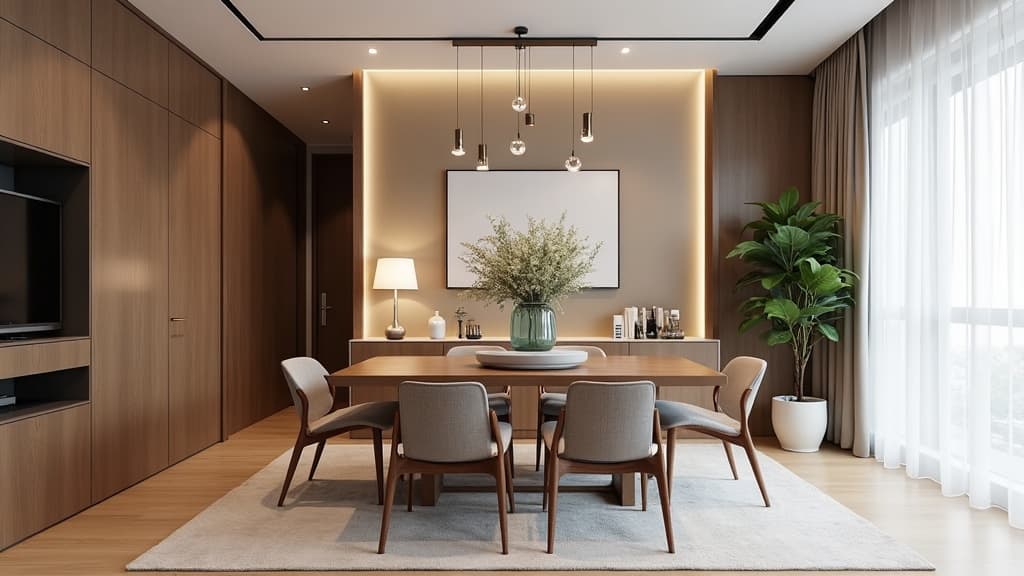
What Is Japandi? A Singapore Guide to the Style
Japandi is an interior design style that fuses Japanese minimalism with Scandinavian warmth, producing homes that are calm, uncluttered, and deeply liveable. In Singapore, japandi has become a go-to choice because it makes compact HDB flats and condos feel spacious while staying cosy in the tropical climate. If you want a single phrase: Japandi is warm, intentional minimalism.
What Japandi Style Actually Means
The word "Japandi" merges Japan and Scandi. It draws on two traditions that, despite being continents apart, share a love of natural materials, restraint, and craftsmanship.
- From Japan: wabi-sabi (beauty in imperfection), ma (purposeful negative space), and zen-like minimalism.
- From Scandinavia: hygge (cosiness), functional design, and an emphasis on light and comfort.
Put together, japandi interior design is more lived-in than pure Japanese minimalism and more considered than Scandinavian cosiness. Every object earns its place, but the room still feels warm enough to relax in.
Japandi vs Minimalism: Why They Are Not the Same
People often assume japandi style is just minimalism with a new name. The difference is warmth and texture.
| Quality | Pure Minimalism | Japandi |
|---|---|---|
| Mood | Sleek, sometimes cold | Calm and cosy |
| Materials | Often glass, metal, lacquer | Natural wood, linen, rattan, clay |
| Colour | High-contrast white and black | Warm neutrals with soft accents |
| Imperfection | Avoided | Embraced (wabi-sabi) |
| Best for | Showpiece spaces | Everyday liveable homes |
Minimalism asks "what can I remove?" Japandi asks "what deserves to stay, and how do I make it feel good to live with?"
The Japandi Color Palette
The japandi color palette is the fastest way to get the look right. Build from a warm, earthy base and ground it with deeper tones.
- Base: warm white, oatmeal, cream
- Mid-tones: sand, taupe, warm grey
- Grounding accents: charcoal, matte black, warm walnut brown
- Nature touches (sparingly): sage green, dusty terracotta
Avoid cool whites, blue-greys, and anything that looks synthetic. In Singapore's bright equatorial light, cool tones read as clinical, while warm neutrals stay soft and inviting throughout the day.
Key Elements of Japandi Interior Design
1. Natural wood tones
Light to medium wood is the backbone of any japandi interior. White oak and ash are the classics, while bamboo is a sustainable, locally appropriate option. Steer away from heavy dark walnut or overly rustic pine, which pull the look in the wrong direction.
2. Organic textiles
Texture is what separates japandi from flat, lifeless minimalism. Layer linen curtains, boucle or wool upholstery, and cotton bedding in muted tones. The slight irregularity of these natural fibres is part of the charm.
3. Rattan and handcraft
Singapore's climate makes rattan and wicker accents feel right at home. A rattan pendant shade, a woven side table, or handmade ceramics add the artisanal, slightly imperfect quality that defines wabi-sabi.
4. Purposeful decor
A single ikebana-style arrangement, one or two considered art pieces, and a few sculptural objects do more than a crowded shelf. Restraint is the point.
5. Clean lines softened by curves
Japandi furniture blends Japanese rectilinear forms with gentle Scandinavian curves: low platform beds, chamfered coffee tables, and sofas with soft edges rather than sharp angles.
Modern Japandi: The 2026 Direction
In 2026 the style is trending warmer and more tactile, often described as modern japandi. Designers are leaning into deeper wood tones, richer textiles, and a touch more colour through sage, clay, and muted ochre. The stark grey-and-white interpretation of a few years ago now feels dated. For a wider view of where this fits, see our overview of Singapore interior design trends for 2026.
How to Achieve a Japandi Look in an HDB Flat
HDB proportions actually flatter japandi because the style relies on restraint rather than grand gestures. A practical room-by-room approach:
- Living room: a low TV console in oak, a warm-grey sofa, floor-to-ceiling linen curtains, and a rattan pendant. See worked examples in our HDB living room design ideas and the Japandi living room collection.
- Kitchen: matte white cabinets with oak accents, handleless J-pull doors, and warm under-cabinet lighting.
- Bedroom: a platform bed with integrated storage, blackout linen curtains, and minimal bedside decor. Our Japandi bedroom design guide goes deeper.
Two rules carry most of the work: keep walls warm white, and invest in hidden storage before furniture. A japandi home looks minimal because everything has a home, not because there is nothing in it.
Typical Singapore budget guide
Costs vary widely by scope, but as rough ranges for a japandi refresh:
| Scope | Indicative range (SGD) |
|---|---|
| Styling and soft furnishings only | 1,500 - 5,000 |
| Single room makeover | 5,000 - 15,000 |
| Whole-flat japandi renovation | 30,000 - 70,000+ |
Treat these as starting points; final figures depend on flat size, carpentry, and finishes.
Lighting and the Tropical Climate
Lighting is the unsung hero of any japandi interior, and it matters even more in Singapore. The default cool-white fluorescents found in many flats flatten the warm palette and make timber look grey. Switching to warm 2700K bulbs across ambient, task, and accent layers instantly lifts the scheme. Aim for several softer light sources, such as a pendant, a floor lamp, and a table lamp, rather than one bright ceiling fixture.
The tropical climate also shapes material choices. Solid timber and natural fibres behave well in humidity when properly finished, while breathable linen and cotton feel cooler against the skin than synthetic blends. Rattan, long used across Southeast Asia, is both authentically regional and perfectly at home in japandi, which is one reason the style feels so natural in Singapore rather than imported.
Styling a Japandi Home: Finishing Touches
Once the bones are right, a few intentional layers complete the look:
- Greenery: one or two sculptural plants such as a fiddle-leaf fig, snake plant, or a simple branch in a ceramic vase.
- Ceramics: handmade bowls, vases, and tea sets with organic, slightly irregular forms.
- Textile layering: a wool throw, a linen runner, and cushions in two or three muted tones.
- Lighting objects: washi-paper or rattan shades that glow warmly in the evening.
- Negative space: resist filling every surface; empty space is a deliberate design element in japandi.
The goal is calm, not bareness. Each addition should feel chosen rather than accumulated.
Common Japandi Mistakes to Avoid
- Too beige: an all-beige room looks flat. Add charcoal or walnut accents for depth.
- No texture: smooth surfaces alone read as sterile. Mix rough linen, woven rattan, and matte ceramics.
- Over-perfecting: wabi-sabi means a little asymmetry and handmade irregularity are welcome.
- Skipping storage: clutter undoes the whole look faster than anything else.
- Wrong lighting: cool-white bulbs undo the warmth; switch to 2700K throughout.
Where Japandi Sits Among Similar Styles
Japandi is often confused with its close cousins. If you are weighing it against Scandinavian or wabi-sabi, our comparison of Japandi vs Scandinavian vs wabi-sabi breaks down the differences side by side. For a deeper single-style reference, the complete Japandi interior design Singapore guide covers materials and furniture in detail, and the Japandi style page shows curated room visuals.
See Japandi in Your Own Home
The easiest way to know if japandi suits your space is to see it applied to your actual room. ElumiHome generates japandi AI redesigns calibrated for Singapore HDB and condo proportions, local materials, and the tropical climate. Upload a photo and preview a warm, modern japandi makeover in seconds.
Frequently Asked Questions
- What is Japandi style?
- Japandi is a hybrid interior design style that combines Japanese minimalism with Scandinavian warmth and functionality. It pairs clean lines, natural wood, and uncluttered spaces with cosy textures and a muted, earthy colour palette. The result is calm, liveable, and well suited to Singapore's compact HDB flats and condos.
- What is the difference between Japandi and minimalism?
- Pure minimalism strips a space back to bare essentials and can feel cold or austere. Japandi keeps the discipline of minimalism but adds warmth through natural materials, soft textiles, and handcrafted imperfection. In short, Japandi is minimalism with soul rather than minimalism for its own sake.
- What colours are used in Japandi design?
- The japandi color palette centres on warm neutrals: oatmeal, cream, warm white, sand, and taupe. These are grounded with deeper accents such as charcoal, matte black, and warm brown, plus occasional muted nature tones like sage green or dusty terracotta. Cool blue-greys and bright synthetic colours are generally avoided.
- Is Japandi still popular in 2026?
- Yes. Japandi remains one of Singapore's most requested interior styles in 2026 because it suits small spaces, the tropical climate, and a preference for calm, low-maintenance homes. The 2026 direction leans warmer and more textured, sometimes called modern japandi, rather than stark and grey.
- How do I achieve a Japandi look in an HDB flat?
- Start with warm white walls, add light oak or ash wood tones, and choose low-profile furniture with clean lines. Layer in linen, rattan, and wool for texture, keep decor minimal and purposeful, and prioritise hidden storage so surfaces stay clear. Warm 2700K lighting ties the whole HDB scheme together.
See your home transformed in typically 1–2 minutes
Upload your room photo and get stunning AI redesigns with HDB prompt-based HDB planning guidance and indicative SGD renovation cost ranges.
Try 1 Room FreeNo credit card required