Vinyl Flooring Singapore: Types, Prices & 2026 Guide
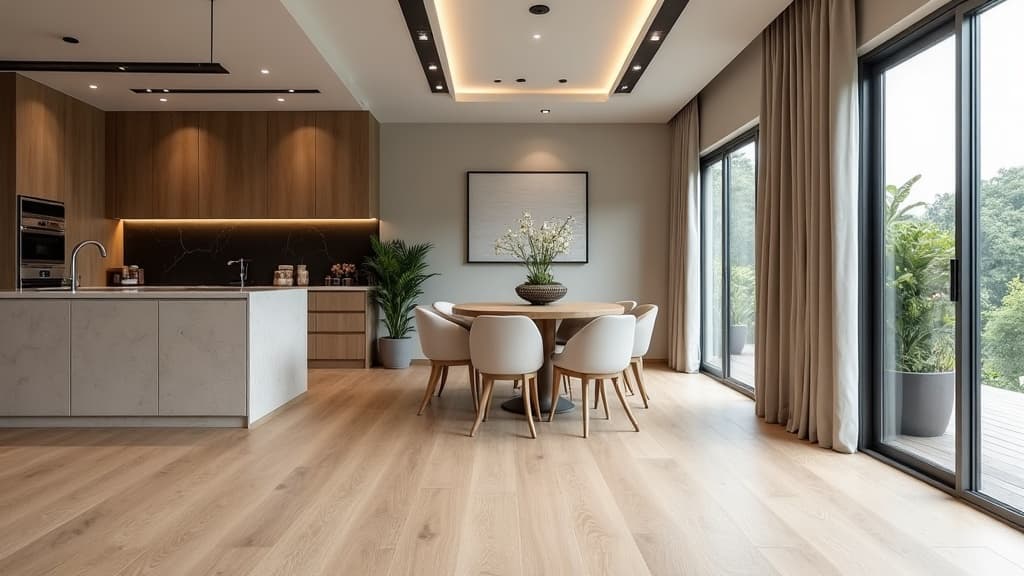
Vinyl Flooring Singapore: The Complete 2026 Guide
Vinyl flooring in Singapore is a synthetic, multi-layer PVC floor finish that is waterproof, affordable and quick to lay — which is exactly why it has become the default choice for HDB flats, BTOs and condos. In 2026 the most popular options are rigid-core SPC and luxury vinyl tile (LVT), which mimic wood and stone convincingly while standing up to the local humidity. This guide breaks down the types, approximate prices and how to pick the best vinyl flooring for your home.
Why Vinyl Flooring Is So Popular in Singapore
A few practical reasons keep vinyl at the top of most renovation shortlists:
- Climate-friendly: Unlike solid timber, vinyl does not warp or swell in Singapore's humidity.
- Waterproof core (rigid types): Spills, mopping and the occasional leak are far less of a worry.
- Fast installation: Click-lock vinyl can often be laid over an existing level subfloor in 1–2 days for a typical flat, with minimal hacking and dust.
- Warm and quiet: It feels softer and warmer underfoot than tiles, especially in bedrooms.
- Budget-friendly: It usually costs less than tiles or engineered timber once installation is included.
If you are still weighing your options against other finishes, our deep-dive comparing vinyl vs tiles vs laminate for HDB flooring covers the trade-offs in detail.
Types of Vinyl Flooring in Singapore
There are four main families of vinyl you will encounter. Understanding them is the key to not overpaying — or underspending — for your needs.
1. LVT (Luxury Vinyl Tile)
Flexible, glued-down vinyl planks or tiles with a realistic design layer. LVT is thin, conforms to the subfloor, and gives a premium look. It needs a very smooth, level base, so surface preparation matters.
2. SPC (Stone Plastic Composite)
The most popular vinyl in Singapore right now. SPC has a rigid limestone-and-PVC core that is dimensionally stable, waterproof and clicks together without glue. It is forgiving over slightly uneven subfloors and very durable.
3. WPC (Wood Plastic Composite)
Similar to SPC but with a wood-polymer core, making it a touch softer and warmer underfoot with better sound insulation. It tends to cost a little more than SPC and is slightly less dent-resistant.
4. Vinyl Roll (Sheet Vinyl)
Large continuous sheets, the most economical option. It is common in rental units and budget refreshes, but looks less premium and seams can be visible.
Vinyl Flooring Types Compared (Price & Traits)
The figures below are approximate, all-in (supply and install) ranges for Singapore in 2026 and will vary by brand, wear-layer thickness, area size and contractor. Always get a quote for your actual floor area.
| Type | Core / Format | Water Resistance | Look & Feel | Typical Price (approx., supply + install) | Best For |
|---|---|---|---|---|---|
| Vinyl Roll | Flexible sheet | Good surface resistance | Budget, can look flat | ~S$2–5 per sqft | Rentals, budget refresh |
| LVT | Flexible glue-down tile | Surface waterproof | Realistic, slim profile | ~S$5–9 per sqft | Premium look, level subfloors |
| SPC | Rigid stone-PVC core | Fully waterproof core | Realistic, firm underfoot | ~S$5–10 per sqft | HDB/BTO/condo all-rounder |
| WPC | Rigid wood-PVC core | Fully waterproof core | Warm, softer, quiet | ~S$7–12 per sqft | Bedrooms, comfort-focused |
For a personalised number across your whole flat, plug your details into the renovation cost calculator to get an SGD estimate before you brief contractors.
What Affects Vinyl Flooring Price in Singapore
The headline price-per-sqft is only part of the story. Your final bill depends on:
- Wear-layer thickness: Measured in mils (often 12–20 mil for residential). Thicker generally means more durable and more expensive.
- Total floor area: Larger jobs sometimes lower the per-sqft rate.
- Subfloor preparation: Self-levelling or removing old flooring adds cost.
- Skirting, trims and door bars: Small line items that add up.
- Existing tile overlay vs hacking: Laying over existing tiles is cheaper than hacking them off.
- Brand and warranty: Branded products with longer warranties cost more upfront.
Because these variables swing the total significantly, treat any quoted "average" as a starting point and confirm with at least three contractor quotes.
HDB Vinyl Flooring: What to Know
Vinyl is extremely common in HDB flats, and there are a few local specifics worth flagging:
- Overlay is popular: Many homeowners lay vinyl directly over the developer-provided tiles in BTOs, saving on hacking.
- Floor height: Overlaying raises the floor slightly; check door clearances and thresholds at wet-area boundaries.
- Wet areas stay tiled: Bathrooms and the kitchen wet zone are usually kept as tiles; vinyl suits living rooms, bedrooms and dry corridors.
- Quiet hours and permits: Click-lock vinyl is low-noise and low-mess, but always follow HDB renovation rules and your contractor's permit obligations.
For the bigger picture on sequencing flooring within your project, see our complete HDB renovation guide, which explains why flooring is usually installed near the end.
How to Choose the Best Vinyl Flooring
Match the product to the room and to how hard the floor will work:
- High-traffic living/dining: Choose SPC with a 0.5mm (20 mil) wear layer for durability.
- Bedrooms: WPC adds warmth and quiet; a slightly thinner wear layer is fine here.
- Tight budget or rental: Vinyl roll or entry-level SPC keeps costs down.
- Premium, seamless look: LVT over a properly levelled subfloor.
- Pets and kids: Prioritise scratch resistance and a thicker wear layer over price.
Quick checklist before you commit:
- Confirm the wear-layer thickness in writing.
- Ask to see a full plank sample, not just a swatch.
- Clarify the warranty terms and what voids them.
- Check whether subfloor levelling is included or extra.
- Agree on edge trims, skirtings and transition strips.
Installation: Overlay vs Hacking
How your vinyl is installed affects both cost and timeline:
- Overlay (most common): Click-lock vinyl is laid directly over existing level tiles. This is fast, low-mess, and avoids hacking and disposal costs — the reason vinyl is so popular in BTOs and resale flats with sound floors.
- Hacking first: If the existing floor is uneven, damaged, or you want to keep the floor height down, the old surface is removed and the subfloor levelled before laying. This adds time and cost.
In both cases, a smooth, dry and level subfloor is essential. Bumps and debris telegraph through thinner vinyl over time, so good surface preparation is worth paying for.
Common Vinyl Flooring Mistakes to Avoid
A few missteps account for most regrets:
- Choosing on price alone: A wafer-thin wear layer wears out fast in high-traffic areas.
- Skipping subfloor prep: Unevenness causes lippage, hollow spots and premature wear.
- Ignoring door clearances: Overlaying raises the floor; doors and thresholds may need adjusting.
- Using vinyl in constantly wet zones: Keep shower floors and the kitchen wet area in tiles.
- Using the wrong cleaning method: Steam mops and harsh chemicals can ruin the wear layer.
Vinyl Flooring vs Other Finishes
Vinyl is not the only option, and the right floor depends on the room and budget. Tiles last longer and suit wet areas, laminate can feel slightly more like timber but is vulnerable to moisture, and engineered wood offers a premium look at a higher price and with more upkeep. For a full side-by-side, read our comparison of vinyl vs tiles vs laminate for HDB flooring. For most Singapore living rooms and bedrooms, good-quality SPC vinyl hits the sweet spot of price, durability and comfort.
Caring for Vinyl Flooring
Vinyl is low-maintenance, but a few habits keep it looking new:
- Place felt pads under furniture legs to prevent dents.
- Use entrance mats to trap grit, which is the main cause of micro-scratches.
- Damp-mop with a pH-neutral cleaner; skip steam mops and harsh chemicals.
- Wipe spills promptly so water does not sit on the joints.
- Avoid dragging heavy appliances; lift and carry instead.
See Vinyl Flooring in Your Own Space First
Choosing a colour and plank style from a tiny sample is hard. Before you commit, try ElumiHome's AI room redesign to visualise different vinyl tones and styles in your actual room — and get an approximate SGD renovation cost estimate at the same time, so you can plan with confidence. Start your free redesign and estimate today.
Frequently Asked Questions
- What is vinyl flooring?
- Vinyl flooring is a synthetic, multi-layer floor covering made mainly from PVC, topped with a printed design layer and a protective wear layer. It comes as planks, tiles or rolls and is one of the most popular floor finishes in Singapore homes because it is waterproof, affordable and quick to install.
- Is vinyl flooring good for Singapore homes?
- Yes, vinyl flooring is well suited to Singapore's hot and humid climate. It resists moisture, does not swell like solid timber, is comfortable underfoot in air-conditioned rooms, and handles daily wear in HDB and condo living. It is also easy to clean, which helps in a tropical environment.
- Is vinyl flooring waterproof?
- Most rigid-core vinyl (SPC and WPC) is fully waterproof on the surface, so spills will not damage the planks. However, the click-lock joints and subfloor are not bulletproof, so standing water that seeps through gaps over time can still cause problems. Wipe up spills promptly and avoid laying vinyl in constantly wet areas like shower floors.
- What is luxury vinyl (LVT/SPC) flooring?
- Luxury vinyl is a higher-grade vinyl with a realistic printed wood or stone design and a thicker wear layer for better durability. LVT (luxury vinyl tile) is flexible and glued down, while SPC (stone plastic composite) has a rigid mineral core that clicks together. Both look more premium than basic vinyl roll.
- What are the pros and cons of vinyl flooring?
- Pros: water resistant, affordable, fast to install, warm and quiet underfoot, and low maintenance. Cons: it can dent under very heavy furniture, lower grades may fade or show wear over time, and it is not as long-lasting or as high-end in resale perception as natural stone or solid timber. Choosing a thicker wear layer reduces most downsides.
- How do you clean vinyl flooring?
- Sweep or vacuum regularly to remove grit, then mop with a well-wrung damp microfibre and a mild pH-neutral cleaner. Avoid soaking the floor, steam mops, abrasive pads and harsh solvents, which can damage the wear layer or seep into joints. Use felt pads under furniture to prevent dents and scratches.
See your home transformed in typically 1–2 minutes
Upload your room photo and get stunning AI redesigns with HDB prompt-based HDB planning guidance and indicative SGD renovation cost ranges.
Try 1 Room FreeNo credit card required