Interior Design Styles: The Complete Guide (2026)
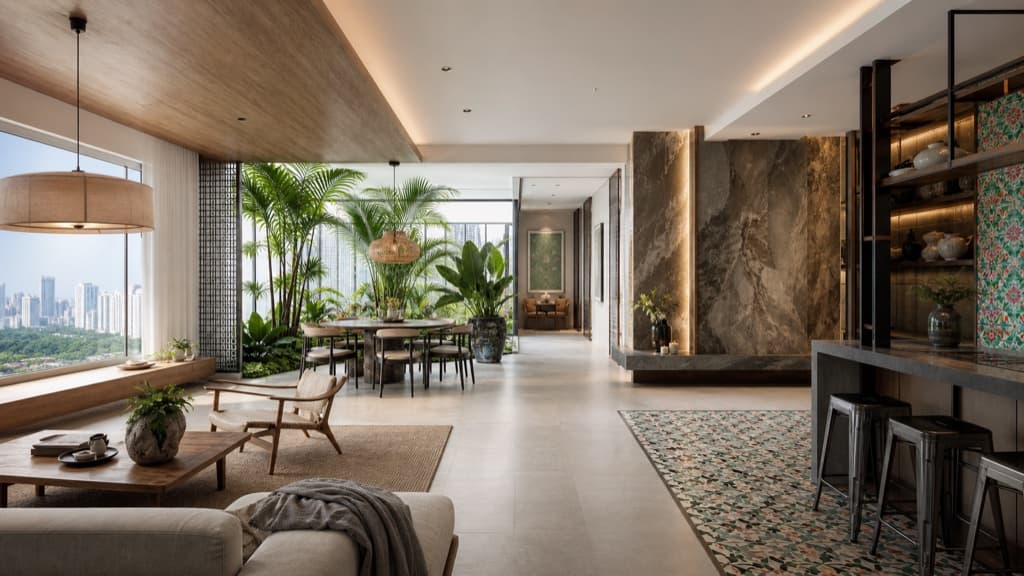
Interior Design Styles: The Complete Guide
With so many interior design styles to choose from, finding "your" look can feel overwhelming. The good news: once you understand the handful of major styles — their palettes, materials, and moods — choosing becomes much easier. This guide is your map to the most popular interior design styles, with a quick portrait of each and a link to a full deep-dive guide.
How to Choose an Interior Design Style
Before the list, a simple method:
- Collect images of rooms you love and look for repeating patterns.
- Note the common thread — colours, materials, and mood.
- Factor in your home — its size, light, and your lifestyle.
- Pick a foundation style, then borrow accents from others.
- Preview it in your own space before spending.
Calm and Minimal Styles
These styles prize simplicity, natural materials, and restraint.
- Japandi — Japanese minimalism meets Scandinavian warmth; calm, natural, and hugely popular.
- Scandinavian — light woods, soft textures, and cosy hygge warmth.
- Muji / minimalist — extreme simplicity and function, with everything in its place.
- Biophilic — a nature-led approach layering light, plants, and natural materials for wellbeing.
Not sure how the calm styles differ? Our Japandi vs Scandinavian vs Wabi-Sabi comparison breaks it down.
Modern and Timeless Styles
Versatile, broadly appealing, and easy to live with.
- Modern contemporary — clean lines, neutral base, one bold accent.
- Transitional — the balanced blend of traditional comfort and modern restraint; one of the most timeless looks.
- Mid century modern — warm woods, tapered legs, and optimistic accent colour from the 1950s–60s.
Bold and Expressive Styles
For those who want personality and drama.
- Art deco — 1920s glamour: geometry, jewel tones, brass, and luxe materials.
- Maximalist — "more is more," layering colour, pattern, and collections with intention.
- Eclectic — the art of mixing styles into one curated, personal whole.
- Bohemian — relaxed, layered, plant-filled, and globally influenced.
- Dark academia — moody, scholarly, and rich with books, leather, and warm light.
Raw and Urban Styles
Honest materials and strong character.
- Industrial — exposed brick and concrete, black metal, and a loft-like feel.
- Brutalist — sculptural raw concrete and monolithic forms, softened to live in.
Warm and Natural Styles
Earthy, textured, and relaxed.
- Mediterranean — sun-washed plaster, terracotta, arches, and earthy calm.
- Coastal — light, airy, and sea-inspired without the nautical clichés.
- Farmhouse — cosy, practical warmth with shiplap, wood, and soft neutrals.
Heritage and Cultural Styles
- Modern Peranakan — Singapore's Straits Chinese heritage: vibrant tiles, ornate detail, and rich colour.
Can You Mix Interior Design Styles?
Absolutely — and most real homes do. Mixing is the foundation of eclectic design. The secret is a unifying thread: a shared colour palette, a repeated material, or a consistent level of contrast that ties varied pieces together. Choose one style as your base and layer others in as accents.
See Any Style in Your Own Home
The easiest way to choose is to see it. Upload a photo of your room to ElumiHome and generate redesigns across these styles in seconds — compare them side by side in your actual space before you spend a dollar on furniture or renovation.
Frequently Asked Questions
- What are the most popular interior design styles?
- Some of the most popular interior design styles today include Japandi, Scandinavian, minimalist, mid century modern, modern contemporary, industrial, coastal, transitional, bohemian, and maximalist. Each has a distinct palette, set of materials, and mood, but many homes blend two or more to suit their taste and space.
- How do I choose an interior design style?
- Start by collecting images of rooms you love and look for patterns — the colours, materials, and moods that keep appearing. Consider your home's size and light, your lifestyle, and how much maintenance you want. Then pick a primary style as your foundation and borrow a few elements from others. Previewing styles in your own room before committing makes the decision much easier.
- Can I mix different interior design styles?
- Yes. Mixing styles is the basis of eclectic design. The key to doing it well is a unifying thread — a shared colour palette, a repeated material, or a consistent level of contrast — so the blend feels intentional rather than random. Choose one style as the foundation and layer others in as accents.
- What is the most timeless interior design style?
- Transitional and modern contemporary styles are often considered the most timeless because they balance classic comfort with clean, current lines and use restrained, neutral palettes. Scandinavian and Japandi also age well thanks to their simplicity and natural materials.
See your home transformed in typically 1–2 minutes
Upload your room photo and get stunning AI redesigns with HDB prompt-based HDB planning guidance and indicative SGD renovation cost ranges.
Try 1 Room FreeNo credit card required